How to Winterize a Boat and Outboard Motor: Step-by-Step Guide
How to winterize a boat and outboard motor: when to start, the engine steps for outboards and sterndrives, plumbing, batteries, shrink wrap versus covers, and a printable checklist.

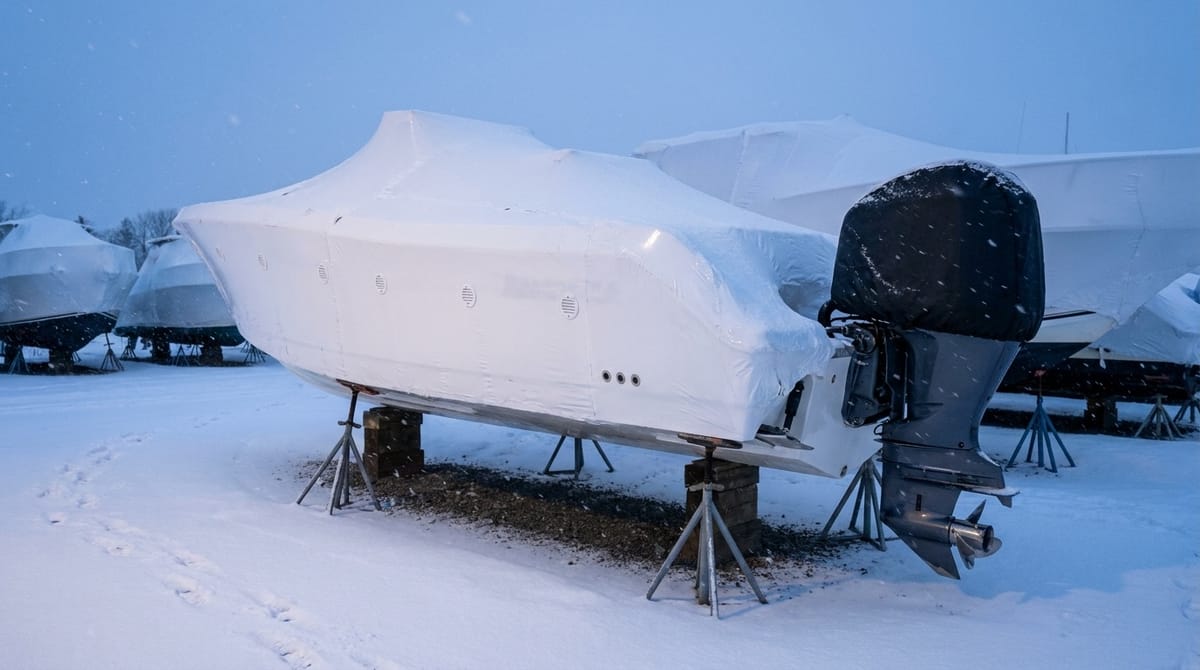
A cracked engine block is the most expensive way to learn how to winterize a boat. In ten years of GEICO and BoatUS freeze claims, more than three-quarters involved cracked engine blocks or exhaust manifolds, and BoatUS says its winterizing checklist would have prevented more than 95% of the freeze claims it reviewed.
The trade sees the same mistakes every fall. "One of the biggest oversights is forgetting about the fuel itself," said Alex Warren, managing director of Premier Fuel Solutions.
The short answer: add fuel stabilizer to the gas so it does not go stale, flush the engine with fresh water, spray protective oil inside it, change the engine oil and the gear oil, replace water with antifreeze, take the battery home, and cover the boat. BoatUS says the job takes an hour to a day on most boats. Below is the plan in six steps, the mistakes marine businesses told us they see most, then each step in detail with a printable checklist.
Your Winterizing Plan in Six Steps
What Mistakes Do Marine Pros See Most?
We asked marine businesses for the winterizing advice they give most often. Three answered from their own corner of the trade.
Fuel. Alex Warren of Premier Fuel Solutions says fuel is the step owners forget most. Boats can sit for months while water, sludge or microbial contamination develops in the fuel system, which can mean blocked filters and poor engine performance when the boat comes back into service. For UK owners, Warren recommends booking winterization in early fall, before temperatures start to drop. His firm sells V25 Fuel Treatment at £15 (about $20) for a 100 ml bottle that treats up to 1,000 liters, and £85 (about $112) for a 1 liter bottle that treats up to 10,000 liters. A double first dose is recommended, which halves those amounts on first use.
Medical gear. "AEDs should be brought home and kept between 32 and about 120 degrees," said Jon Bloomberg, EMT and CEO of Core Medical Systems. He says AEDs will not work below 32°F, and in winter there is no one aboard to use them anyway. Medicines and liquids from onboard medical kits should also be stored inside, where they will not freeze.
Parts planning. Laurens Vredevoort, co-founder of Premium Yacht Supply, says the common mistake on larger yachts is leaving maintenance and spare parts planning until just before the season. His tip is to prepare the parts list, with part numbers and equipment details, before the shipyard period, to avoid ordering errors and delays.
When Should You Winterize a Boat?
Winterize when the boat will sit unused for a month or more. BoatUS recommends winterizing the engine even if the boat will sit for only a few weeks, except in Hawaii and the Florida Keys.
A boat on land is more vulnerable to a sudden freeze than a boat in the water, so BoatUS suggests winterizing earlier for boats stored ashore. Warm states are not exempt. BoatUS reports that many freeze claims in the South come from boats that were never winterized or that depended on a heater whose power failed. Its warning is direct: a heater is no substitute for properly winterizing a boat.
The stakes are specific. Fresh water expands about 9% as it freezes. In ten years of GEICO and BoatUS freeze claims, more than three-quarters involved cracked engine blocks or cracked exhaust parts bolted to the engine. Insurance matters too. BoatUS notes that ice and freeze damage is usually not covered unless you add it to your policy, and BoatUS says many insurers will not cover freeze damage on a boat that was not winterized.
How Do You Winterize an Outboard Motor?
An outboard is the engine bolted to the back of the boat. Start with the owner's manual for your engine, and use the steps below as the common outline. BoatUS notes that some newer outboards have a garden-hose connection for flushing, and some have an automatic winterizing mode, so the manual always comes first.
- Treat the fuel. Gas goes stale over the winter and can gum up the engine. Mercury says to store the engine with fresh gas mixed with marine fuel stabilizer, sold in bottles at any marine store, and to use ethanol-free gas if you can. If your tank has an air vent, as most older tanks do, Mercury advises filling it to about 95% so there is little room for damp air, which turns into water. Newer sealed tanks do not need to be full. BoatUS adds that regular E10 gas, which contains ethanol, can soak up water and separate, and that emptying the tank is the only way to avoid this completely.
- Flush the engine with fresh water. This rinses salt and dirt out of the passages that cool the engine. On many outboards you connect a garden hose using flush muffs, a clamp that fits over the water intakes on the lower part of the motor. BoatUS says to follow the maker's instructions and to let the engine warm up before draining it. Yamaha technician Pete Reils runs the engine for about 10 minutes at a fast idle, with the hose connected and a portable tank of fresh, stabilized fuel.
- Coat the inside of the engine with fogging oil. Fogging oil is a light oil sold in spray cans. It coats the metal inside the engine so it does not rust over the winter. Mercury says to spray it into the holes where the spark plugs sit, ideally while the engine is still warm. Yamaha sprays it with the engine running until a puff of smoke comes out of the center of the propeller, then shuts the engine off. Some two-stroke engines, such as the Mercury OptiMax, use 1 ounce of a specific engine oil per cylinder instead, so check your manual.
- Change the engine oil and filter. Just like a car, a four-stroke outboard needs fresh oil. Mercury says to change it every 100 hours of use or once a season. Change the fuel filter too, as both BoatUS and Yamaha advise.
- Change the gear oil in the lower unit. The lower unit is the part of the motor under the water that holds the gears and turns the propeller. Mercury gives the same interval, every 100 hours or once a season. Water that gets in can freeze and crack the gear housing, and BoatUS says it also rusts the parts inside. If the old oil looks white or milky, water has gotten in. Yamaha and BoatUS both say to refill from the lower drain hole until oil comes out of the upper hole, and never from the top.
- Check the propeller shaft and anodes. Mercury says to take the propeller off, look for fishing line wrapped around the shaft behind it, and coat the shaft with marine grease (Mercury names its 2-4-C grease). Anodes are small metal blocks that corrode so the engine does not. Mercury says to replace them once they are half worn away.
- Grease and protect. Mercury lists the grease points on the engine and a corrosion protection spray for the engine under the cover. Yamaha sprays the engine with its Yamashield coating after greasing.
- Store it tilted down. Both BoatUS and Mercury say to store the outboard tilted all the way down so water drains out of it. BoatUS says to take the outboard home if you can.
Should You Replace the Water Pump Impeller?
The impeller is a small rubber wheel inside the engine's water pump. It pushes cooling water through the engine, and one that sits unused for months can stay bent out of shape, so winter service is a good time to check it. Yamaha says to inspect the impeller and water pump every year, in salt, brackish or fresh water, and points to the owner's manual for the schedule on each engine. Yamaha also says new engines get a professional service at 20 hours, then at 100 hours or once a year, which includes a new impeller.
Mercury says its dealers replace the impeller at the one-year service on FourStroke engines, because opening the pump to inspect it takes enough labor that fitting a new part is the sensible choice. Neither brand gives one number of hours for every engine. Use your manual and your dealer.
How Do You Winterize an Inboard or Sterndrive?
An inboard engine sits inside the boat. A sterndrive, also called an I/O, is an inside engine connected to a drive leg outside the back of the boat. Both are cooled by the water the boat floats in, and that water must be drained out or replaced with antifreeze before it freezes. BoatUS says mistakes in this step cause the vast majority of freeze claims.
To run antifreeze through the engine, BoatUS says you need a five-gallon bucket and at least two gallons of propylene glycol antifreeze, and that the engine's thermostat may not let it through until the engine is warm. Also drain the strainer that filters incoming seawater, the valve where water enters through the hull (the seacock) and the water-filled muffler in the exhaust. Some engines also have a sealed coolant system, like a car. Check that coolant with an antifreeze tester. BoatUS says the mix is typically half coolant and half water, and warns not to go above 50% coolant, because pure coolant turns to gel at minus 8°F.
Mercury says most owners of its MerCruiser inboard and sterndrive engines use a dealer. Fuel-injected MPI models need a special fuel mix, and the details depend on the engine, so follow the manual. Mercury also says a dealer dips the drive leg into a tank of antifreeze and runs the engine, while owners can use a gravity-fed kit that connects like a garden hose and pushes all the water out.
How Do You Winterize Freshwater Plumbing?
Draining is not enough, so run nontoxic propylene glycol antifreeze through the whole system. BoatUS says never to use engine coolant, which is ethylene glycol, in a freshwater system.
- Turn off and drain the hose that connects the boat to dock water, then drain the water tanks.
- Add 2 to 3 gallons of antifreeze to the tank, and more if there is a water heater.
- Open the outlets farthest from the tank first, hot and cold, until antifreeze flows.
- Drain the shower drain box and the water heater, and set the heater bypass valve so antifreeze skips the heater.
- Empty the toilet holding tank. Pump disinfectant through the marine toilet, then antifreeze. BoatUS notes some toilet makers, such as Raritan for its PH II, advise against nontoxic antifreeze, so check yours.
- Put the seawater intake hose of any onboard air conditioner in a bucket of antifreeze and run the pump until antifreeze comes out. Bait tanks (livewells) and deck washdown pumps need antifreeze or draining too.
Use antifreeze at full strength. BoatUS cautions that a typical antifreeze labeled minus 50 F protects PVC water pipes down to only about minus 10 F, and that it begins to freeze about 15 degrees above that. Run it until it has displaced all the water, and buy a couple of extra gallons.
How Do You Store Boat Batteries Over Winter?
Charge the battery fully, then store it cool and dry on a maintenance charger. That is Mercury's advice for outboard batteries, and BoatUS agrees that small boats not left in the water should send their batteries home on a charger.
Use the right charger. BoatUS says car trickle chargers left on can boil off the liquid inside the battery. It recommends a marine smart charger that charges in three stages, adjusts for temperature and is rated at 25% to 40% of your battery capacity in amp-hours. If your batteries have refill caps, top up the water, and clean and coat the terminals. If batteries stay aboard, keep them on a marine charger with a maintenance setting, or charge them fully at least once a month.
What Should You Do With the Hull and Interior?
Empty, clean and open everything. BoatUS lists these below-decks steps.
- Remove food and open the lockers.
- Take cushions home, or store them on their sides.
- Close propane valves.
- Turn off breakers except the bilge pump and alarms.
- Clean and dry the bilge.
BoatUS also suggests visiting the boat every few weeks.
Shrink Wrap, Canvas Cover or Indoor Storage?
Pick the cover that lets the boat breathe. BoatUS says custom canvas on a frame with vents is best, shrink wrap is acceptable only if vented, plastic tarps shred, and a bimini does not protect the boat.
How to Shrink Wrap a Boat
BoatUS says not to shrink wrap the boat yourself and calls it a job best left to professionals. Its guide pictures a fire that started when an owner unfamiliar with the process tried it. For that reason this guide gives no do-it-yourself steps.
When you hire a pro, ask about vents along the whole length, foam pads between hull and wrap, and the effect on your paint. Never tie covers to jackstands, the adjustable metal supports that hold a boat upright on land, or to blocks. The same BoatUS guide says to use at least three jackstands per side for boats over 26 feet, plywood under the stands, a level boat, and a recheck after about two weeks.
How Much Does Winterizing Cost: Shop or DIY?
Costs vary by region, boat size and shop, and public price lists are rare. One example is the mobile price list of Midwest Winterizing, which shows no year, so treat it as a single data point.
That outboard package covers stabilizing fuel, replacing gear oil, fogging oil, greasing, disconnecting batteries and draining the engine. BoatUS says storage fees are based on length or square footage plus extras such as winterization and shrink wrapping, and that "winterizing" has no universal meaning. Get a written contract that lists every job. Mercury notes some facilities bundle winterization, shrink wrapping and storage at a discount. For do-it-yourself work, your costs are the parts: oil, filters, gear oil, fogging oil, stabilizer and antifreeze.
For the wider picture of what a boat costs to own, see our guide to the cost to own a 55-foot boat in Miami.
Printable Winterizing Checklist
Tick each box as you go, or download the checklist as a PDF to print and keep with the boat.
Download the PDF checklist
Boats for Sale on YachtWay
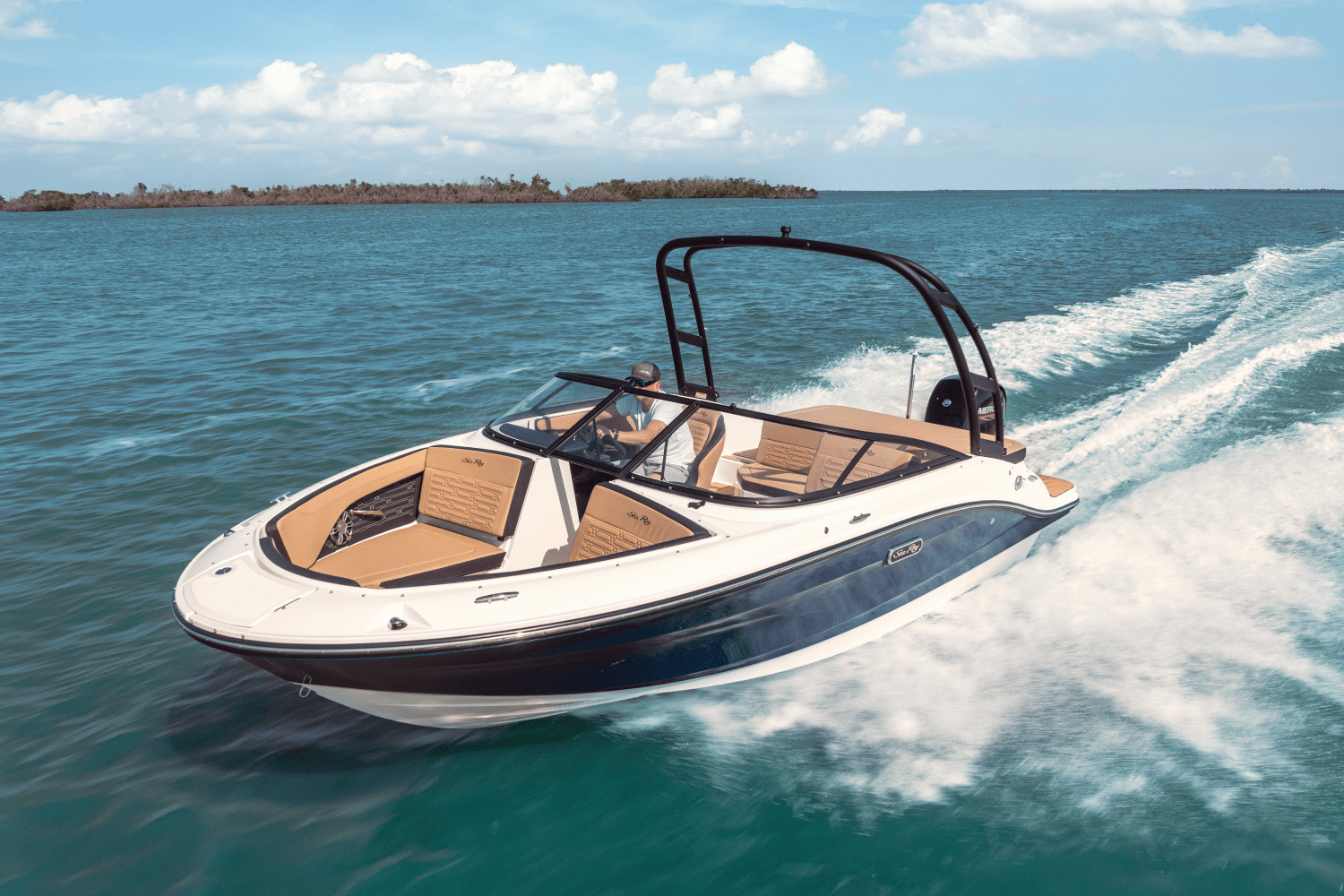
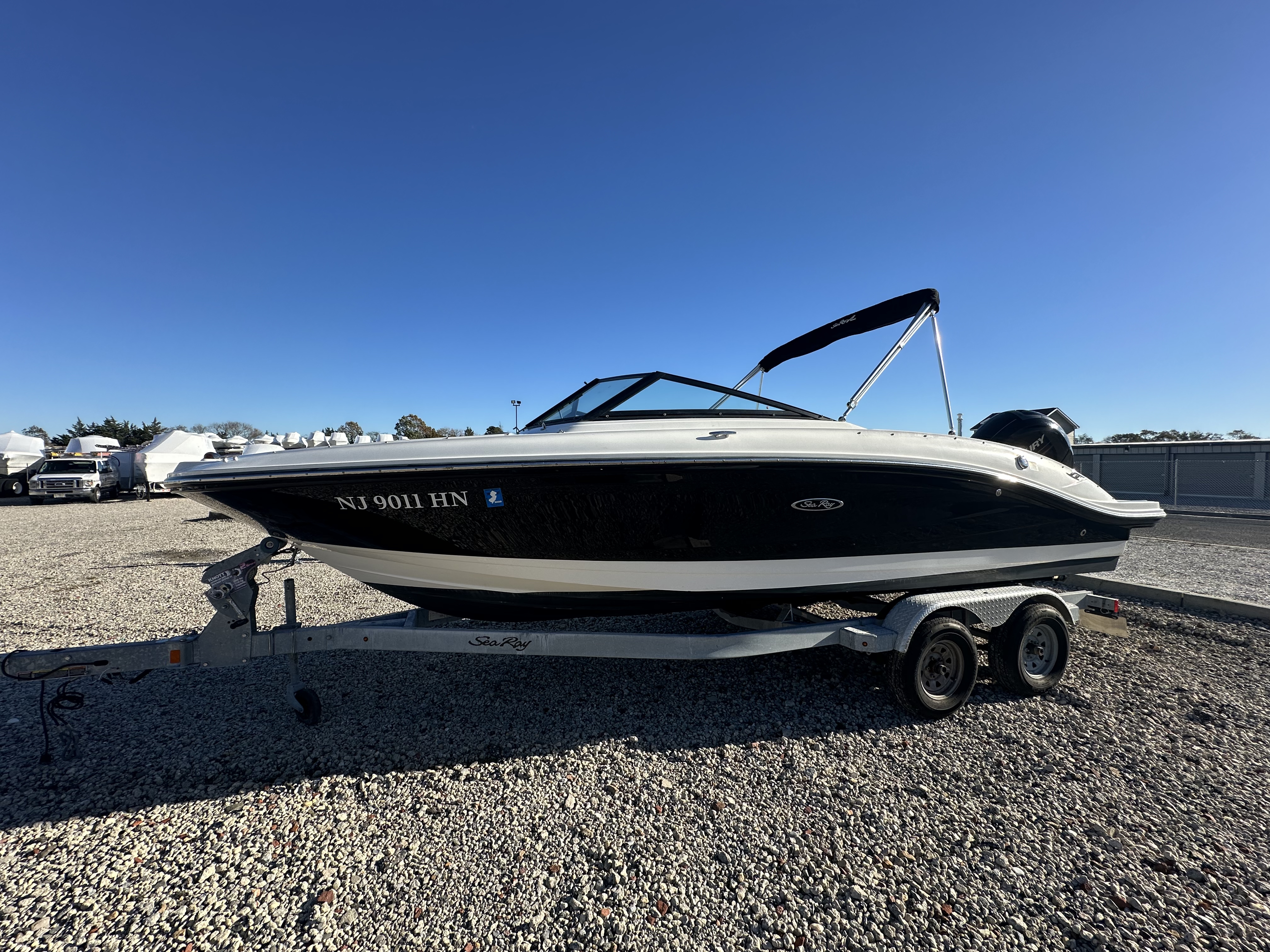
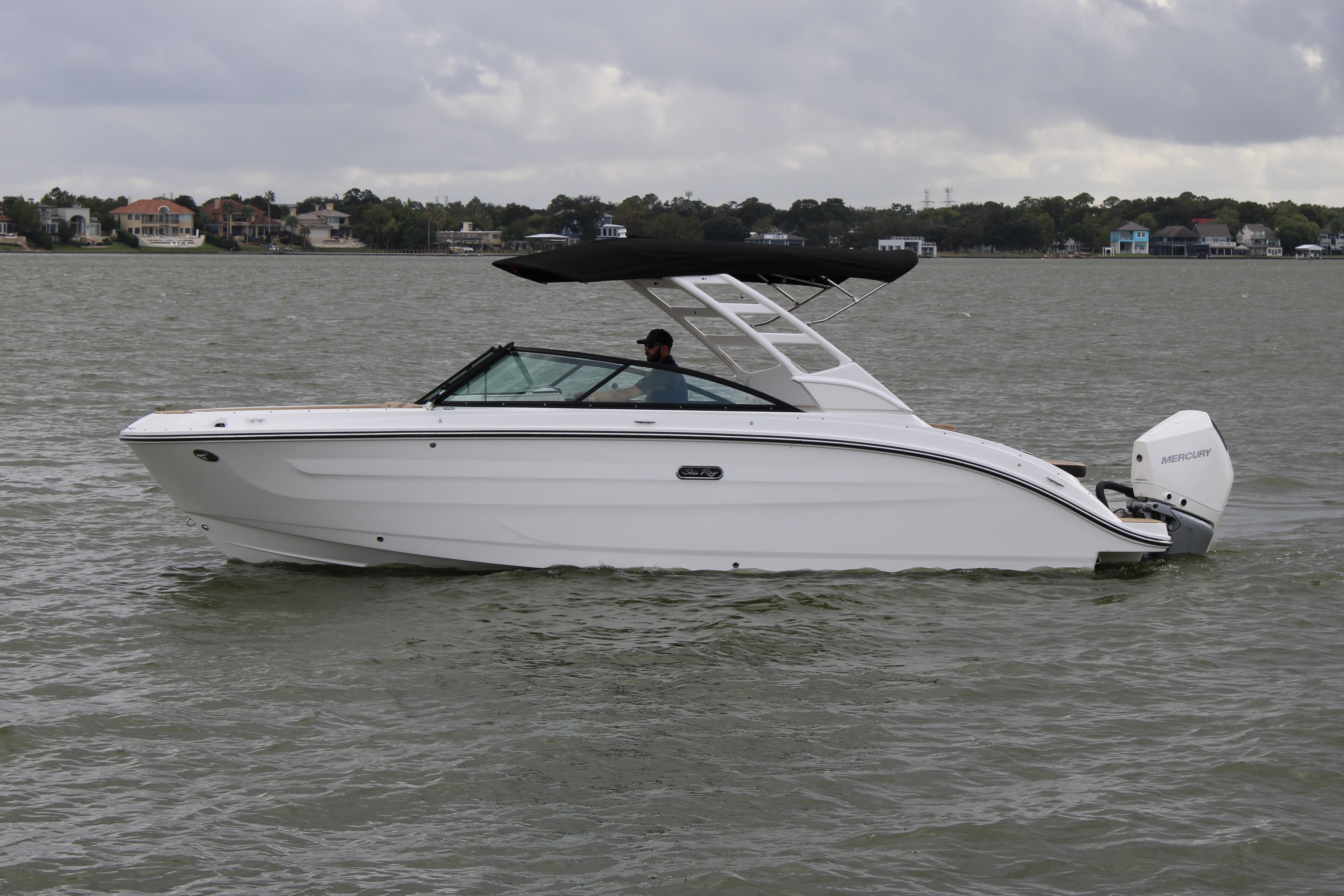
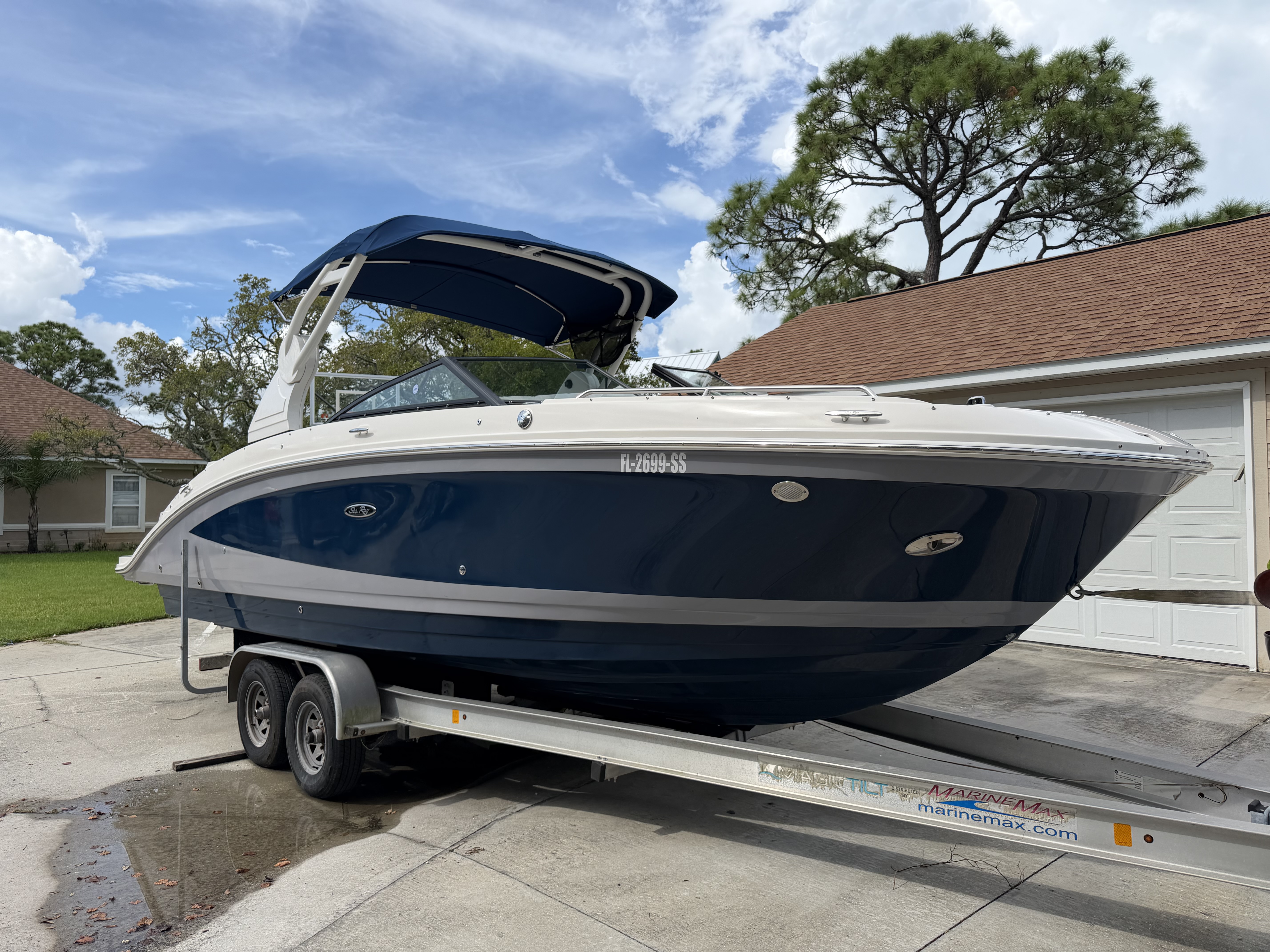
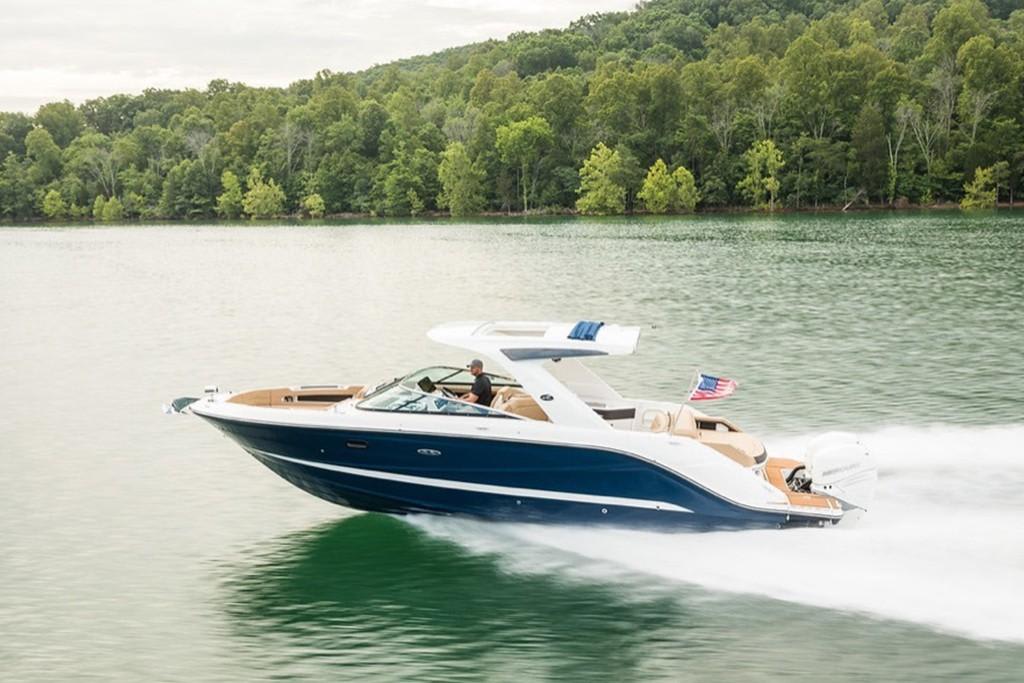
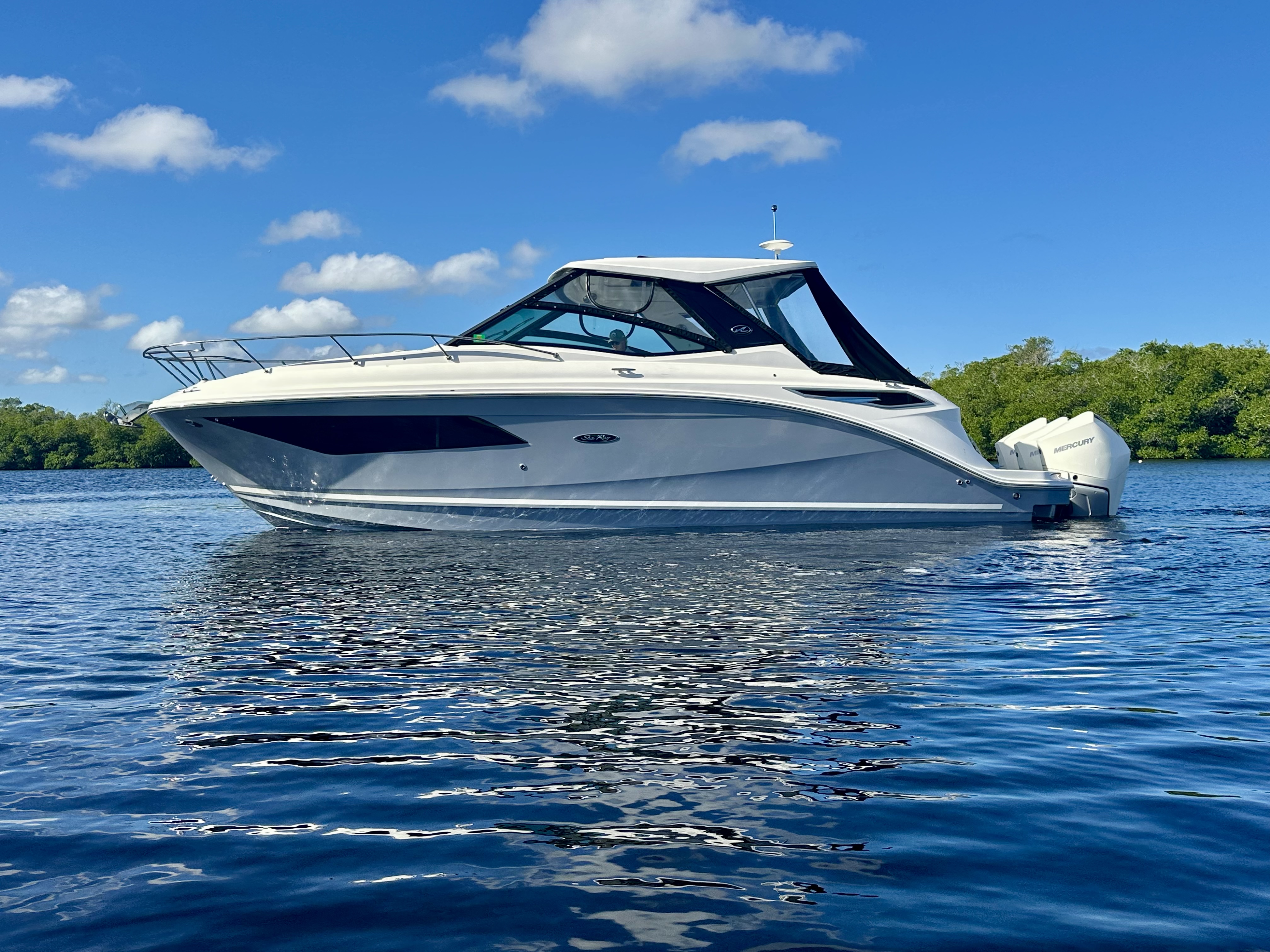
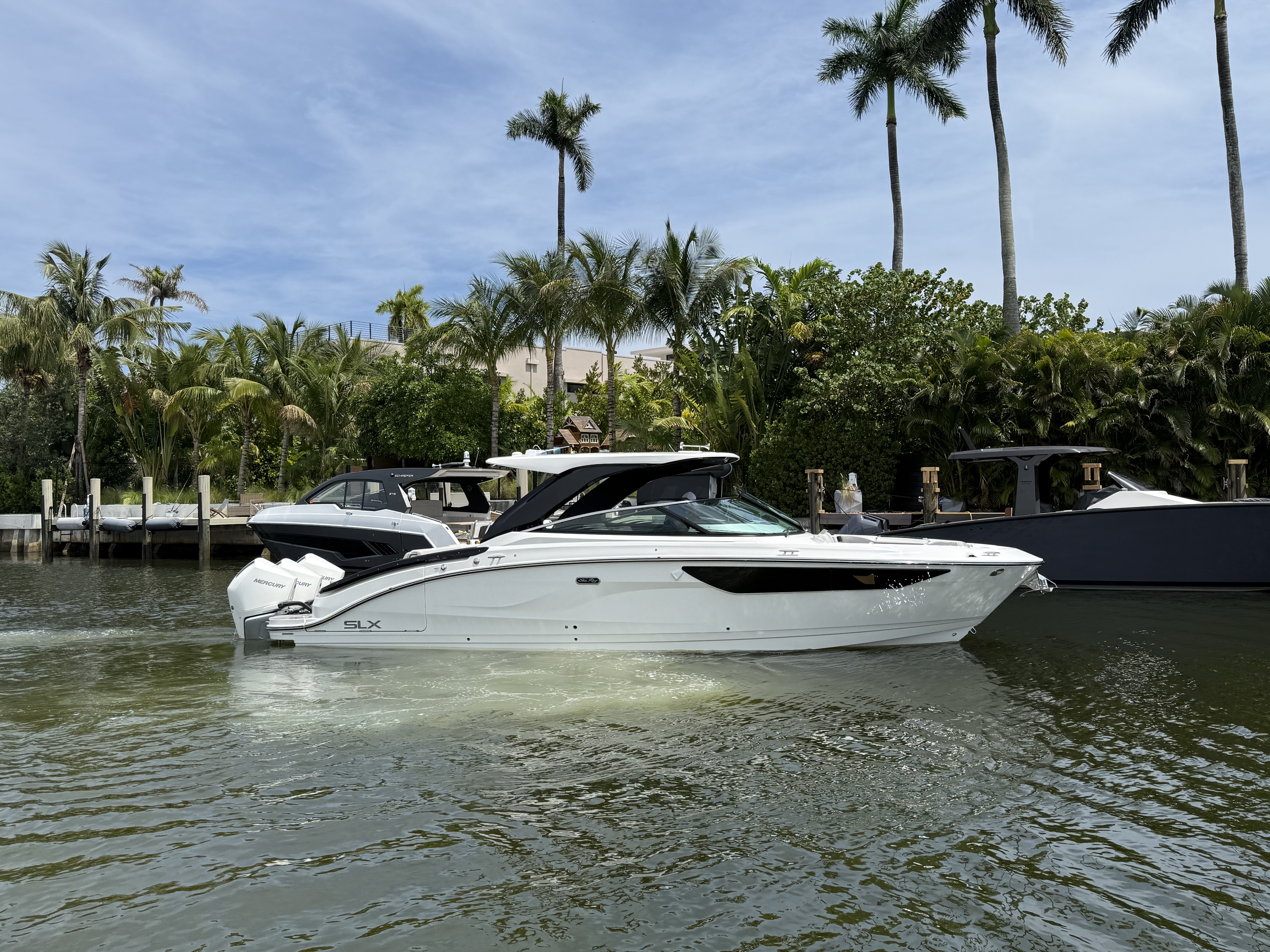
Plan next season now. These outboard-powered boats are listed on YachtWay, and you can browse all outboard listings too.
Boat winterization FAQ
When should I winterize my boat?
BoatUS advises winterizing if the boat will sit unused for a month or more, and winterizing the engine even for a few weeks of storage, with the exception of Hawaii and the Florida Keys. A boat on land is more exposed to a sudden freeze than a boat in the water, so start earlier.
How do I winterize an outboard motor?
Follow the owner's manual for your engine. In general, add fuel stabilizer to fresh gas so it does not go stale, flush the engine, spray fogging oil inside the engine, change the engine oil and gear oil, change the fuel filter, check the anodes (small metal blocks that corrode so the engine does not), charge and store the battery, and store the motor tilted down so water drains.
Do I need to winterize a boat in Florida or other warm states?
BoatUS says many freeze claims in the South come from boats that were never winterized or that relied on a heater whose power failed. Check the forecast and the owner's manual rather than assuming a freeze cannot happen.
Can I winterize a boat myself?
Yes for most outboard and sterndrive engine steps, using the manual. Yamaha says its engines are designed for DIY winterization, while still recommending a certified dealer. BoatUS says shrink wrapping is best left to professionals.
How often should the outboard water pump impeller be replaced?
There is no single interval. Yamaha says to inspect the impeller and water pump yearly and points to the owner's manual for the schedule. Mercury says its dealers change the impeller at the one-year service on FourStroke engines. An impeller that sits unused can stay bent out of shape, so winter service is a good time to check it.
Is it safe to use car antifreeze in a boat's freshwater system?
No. BoatUS says never to use engine coolant, which is ethylene glycol, in a freshwater system. Use nontoxic propylene glycol antifreeze made for potable water systems.
Is shrink wrap better than a cover?
BoatUS says shrink wrap sheds rain and snow but traps moisture and causes mildew unless it is vented along its whole length. It rates custom canvas on a frame with vents as the best option and says plastic tarps shred.
How much does it cost to winterize an outboard?
Prices vary by region and shop. One mobile contractor, Midwest Winterizing, lists an outboard package at $110, a sterndrive (I/O) package at $165, and an inboard package at $400, with an oil change at $75 extra. Ask your shop for a written list of every job included.
Should I leave the AED on the boat over winter?
No. Jon Bloomberg, CEO of Core Medical Systems, says AEDs will not work below 32°F. Take the AED home and keep it between 32 and about 120°F, and store medicines and liquids from the onboard medical kit inside where they will not freeze.