Navigating Boat Titles, Registration, and Licensing Across State Lines

Buying a boat should feel like freedom: the thrill of new horizons, not an incomprehensible maze of paperwork.
Yet for many buyers, especially those financing across state lines, the process of titling, registering, and licensing a vessel can feel unexpectedly complex. Unlike automobiles, boats aren’t governed by one national standard. Instead, each state writes its own rules, creating a patchwork of difficult-to-navigate regulations that can easily catch even experienced yacht buyers off guard.
Why Boat Documentation Gets Complicated
At the heart of the challenge is inconsistency. Some states issue titles for every vessel, while others require registration only for boats with motors or over a certain length. A few states don’t title boats at all, and others may require separate Coast Guard documentation for larger vessels.
If you’re buying your boat in one state and financing in another, the lender must ensure that the title and registration comply with both jurisdictions. That can mean extra paperwork, added verification, and coordination between you, your dealer, and state agencies.
Consider a few examples:
- A Florida-purchased boat may need an additional title transfer if the buyer resides in Georgia.
- North Carolina requires proof of sales tax payment before registration.
- Some coastal states require environmental or inspection compliance before issuing titles.
Even seasoned owners can find themselves delayed by small oversights—especially when financing is involved.
How Financing Adds Another Layer
When you finance a vessel, your lender becomes a lienholder, meaning they hold legal interest in the boat until the loan is paid in full. That lien must be recorded correctly in the state where the boat is titled.
If the paperwork isn’t perfectly aligned, the lender won’t release funds—causing delays that can jeopardize your closing or delivery date. It’s one of the most common (and avoidable) holdups in marine financing.
Tips to Keep the Process Smooth
A few proactive steps can make all the difference:
- Confirm title requirements early. If you’re buying in one state and titling in another, let your dealer and lender know at the start.
- Match your details exactly. Your address must be identical on every document—loan application, title, and registration. Even minor inconsistencies can trigger rejections.
- Verify sales tax rules. Some states require proof that tax has been paid before issuing registration.
- Plan for extra time. Cross-state deals can take longer, especially when original documents need to be mailed.
- Go digital where possible. Many agencies now accept e-signatures and online filings, saving days or even weeks in turnaround time.
The Role of Dealers and Lenders
An experienced marine dealer or finance partner can turn a complex process into a smooth transaction. Dealers familiar with out-of-state sales often have dedicated staff who handle title and lien processing, ensuring every form is filed correctly and on schedule. Their expertise can save you countless calls, emails, and delays.
Expect the Unexpected
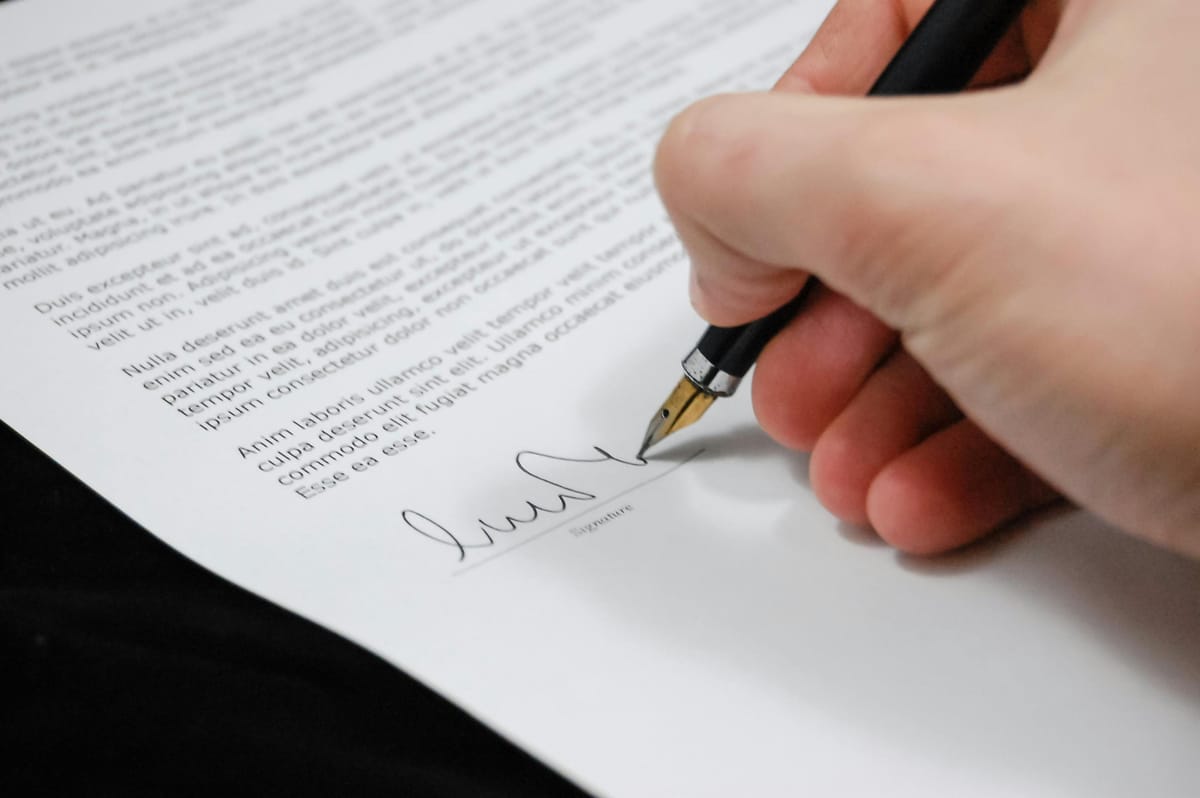
Financing a boat across state lines isn’t difficult; it just requires precision. Each signature, address, and document in a boat loan plays a role in ensuring your vessel is properly titled, registered, and protected.
By working with knowledgeable professionals, double-checking each requirement, and planning ahead, you can navigate the paperwork confidently and focus on what truly matters: the freedom of the water ahead.