Storm Season Survival: How to Protect Your Yacht... and Your Insurance Coverage

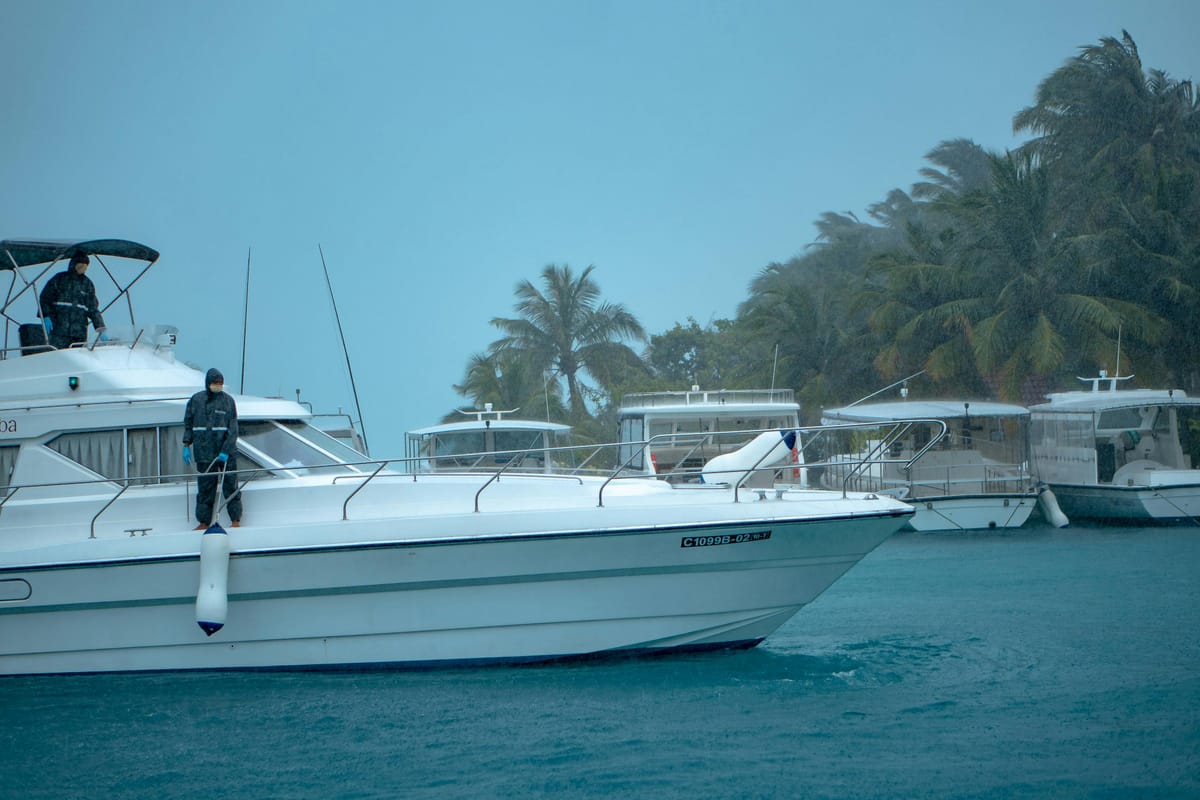
Storm season is no longer a theoretical risk for yacht owners. From intensifying Atlantic hurricanes to increasingly volatile Mediterranean weather systems, severe storms are arriving earlier, lasting longer, and behaving less predictably than ever before. For owners, captains, and managers, protecting a yacht during storm season is not only a matter of seamanship: it is also one of the most important factors in preserving insurance coverage and avoiding costly claims disputes.
Understanding how insurers view storm risk, and what they expect from owners before, during, and after a weather event, can make the difference between a smooth claim and a denied one.
Why storm preparation matters to insurers
Most yacht insurance policies contain explicit “due diligence” or “reasonable care” clauses. These provisions require owners and operators to take all reasonable steps to protect the vessel from foreseeable damage. When storms are named, tracked, and forecast days in advance, insurers expect proactive action.
Failure to prepare, such as leaving a yacht in a high-risk area, improperly secured, or without adequate crew oversight, can lead insurers to reduce payouts or deny claims altogether. In severe cases, underwriters may also reconsider renewal terms or increase premiums following a loss deemed preventable.
In short, storm preparation is not optional. It is a contractual obligation.
Know your policy before the season starts
One of the most common mistakes yacht owners make is reviewing their insurance policy only after a storm has passed. Before storm season begins, owners should carefully review several key provisions:
Navigation limits and named storm exclusions. Many policies restrict where a yacht can be located during certain months, particularly in hurricane-prone regions. Some require vessels to leave specific zones or be hauled out once a named storm is declared.
Storm plans and warranties. Larger yachts may be required to have a documented storm plan on file. Insurers may request details about relocation options, haul-out agreements, crew responsibilities, and timelines.
Deductibles for named storms. Hurricane or named-storm deductibles are often significantly higher than standard deductibles and may be calculated as a percentage of hull value rather than a fixed amount.
Lay-up requirements. Policies may mandate specific procedures when a yacht is inactive during storm season, including power management, crew presence, and monitoring.
Understanding these details in advance allows owners to act decisively when weather threatens, without risking coverage.
Best practices to protect your yacht
While each vessel and region is different, insurers consistently look for a few core elements of good storm preparation:
Relocation planning. Whenever possible, moving the yacht out of the storm’s projected path is the single most effective protective measure. This may mean relocating to a safer marina, a protected hurricane hole, or hauling the vessel ashore.
Professional securing. If relocation is not feasible, yachts should be professionally secured with additional dock lines, chafe protection, fendering, and storm-rated mooring equipment. Power should be managed carefully, and loose equipment removed or secured.
Crew accountability. Insurers expect clear crew protocols. This includes monitoring forecasts, executing storm plans, documenting preparations, and maintaining records. For larger yachts, having crew onboard or on standby is often viewed favorably.
Documentation. Photographs, logs, emails, and marina confirmations taken before a storm can be critical evidence if a claim arises. Insurers often ask not just what was done, but when and why.
The insurance impact of poor preparation
After a storm, adjusters evaluate not only the damage, but also the actions taken beforehand. Claims can be delayed or reduced if an insurer determines that:
- The yacht remained in a restricted navigation zone
- The vessel was inadequately secured
- The storm plan was not followed
- Warnings were ignored or acted on too late
Even when coverage is not denied outright, poor preparation can lead to higher deductibles being applied, partial settlements, or long-term consequences at renewal.
How to reduce future premiums and exposure
Insurers reward proactive owners. Demonstrating strong storm preparedness can help stabilize premiums and improve terms over time. Steps that can positively influence underwriting include:
- Maintain a formal storm plan
- Using professional yacht management services
- Installing tracking, monitoring, and alert systems
- Choosing marinas with proven storm infrastructure
- Documenting every major weather response
In an era of rising claims and tightening underwriting, insurers are increasingly selective. Owners who show discipline and foresight are seen as lower risk, and treated accordingly.
Unavoidable Realities
Storm season is an unavoidable reality of yacht ownership, but major losses are not. The difference lies in preparation, communication, and understanding the insurance implications of every decision made when weather turns.
Protecting your yacht means more than riding out any single storm. It means protecting your coverage, your investment, and your ability to keep enjoying life on the water... long after the clouds clear.