Sailing Yachts for Sale
Which Yacht?
Price • Length • Location

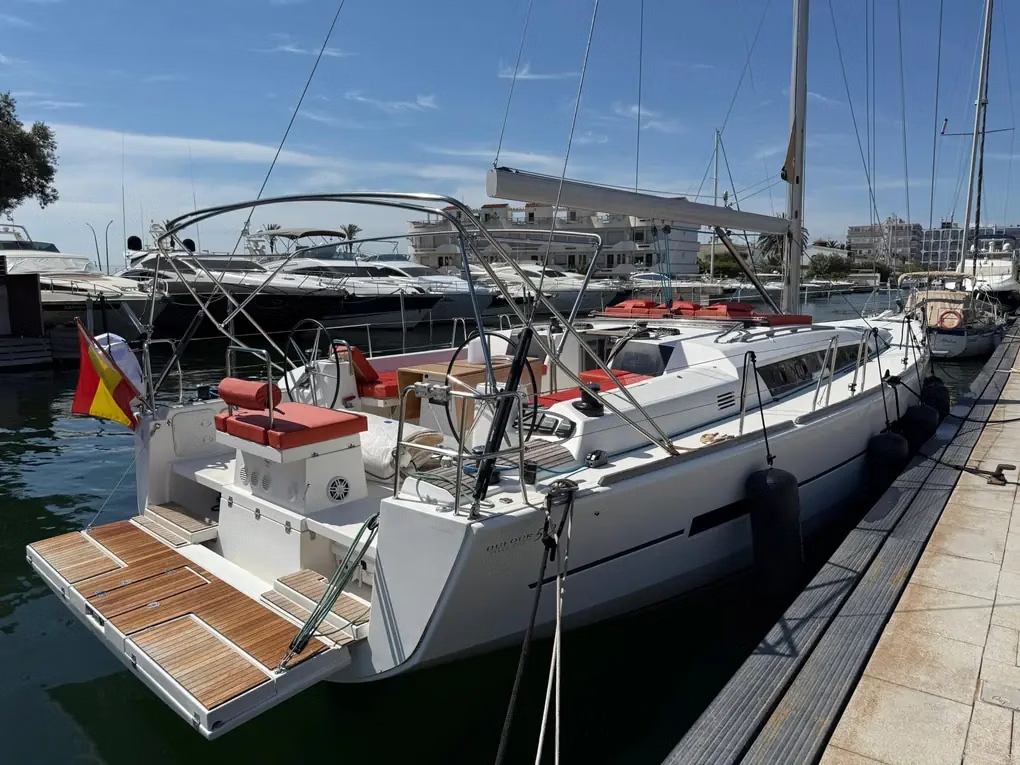
2026 Beneteau Oceanis 52
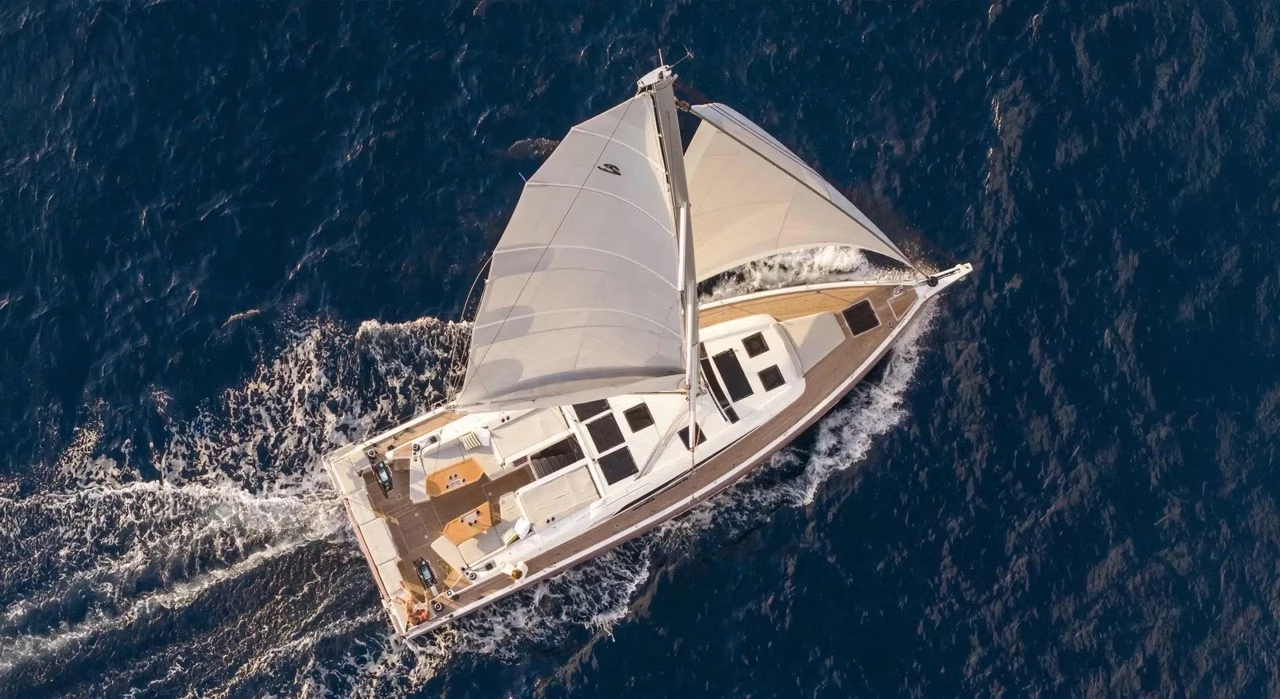
Viladamat, ES

1998 Jeanneau Sun Odyssey 42 CC "Luthien"
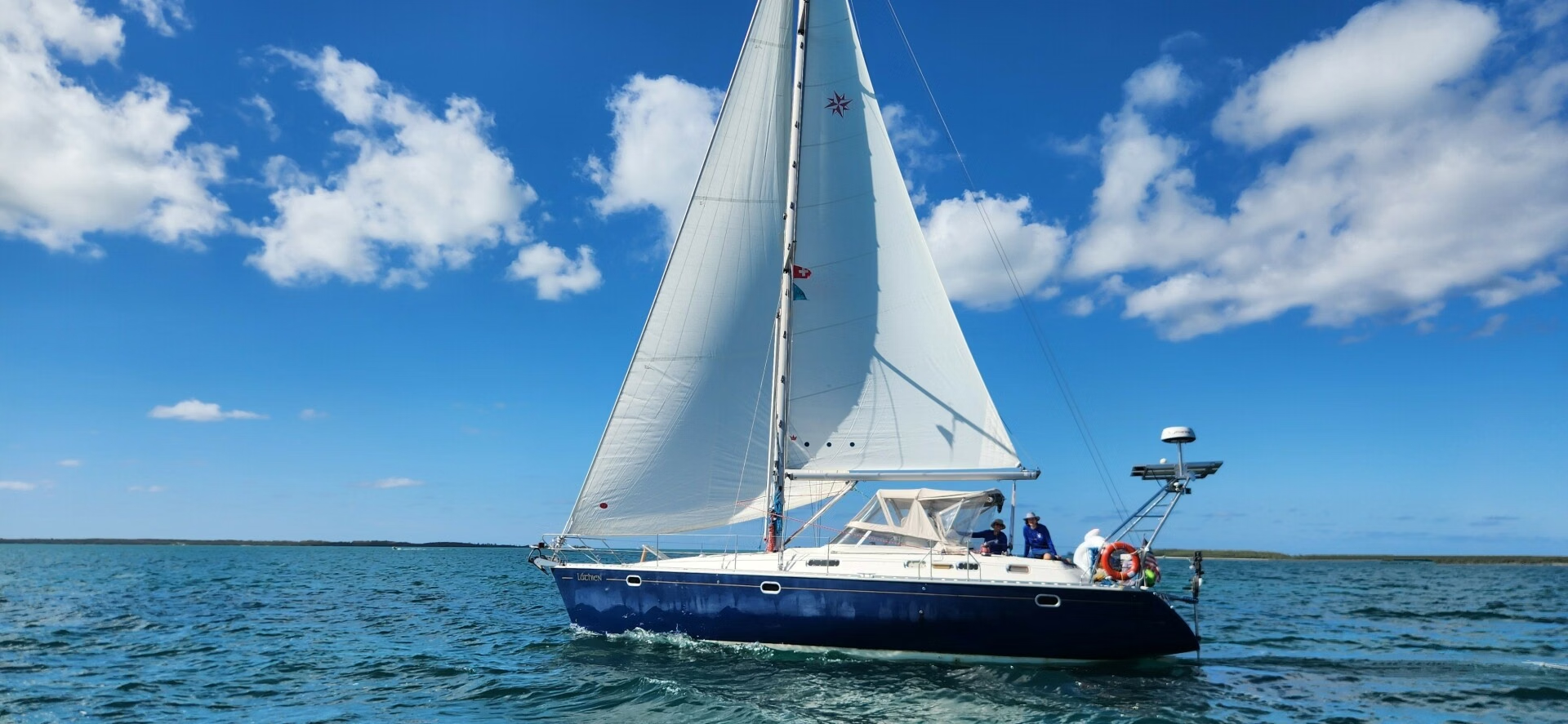
Portsmouth, Rhode Island
2019 Beneteau Oceanis 41.1 "ENTROPY"
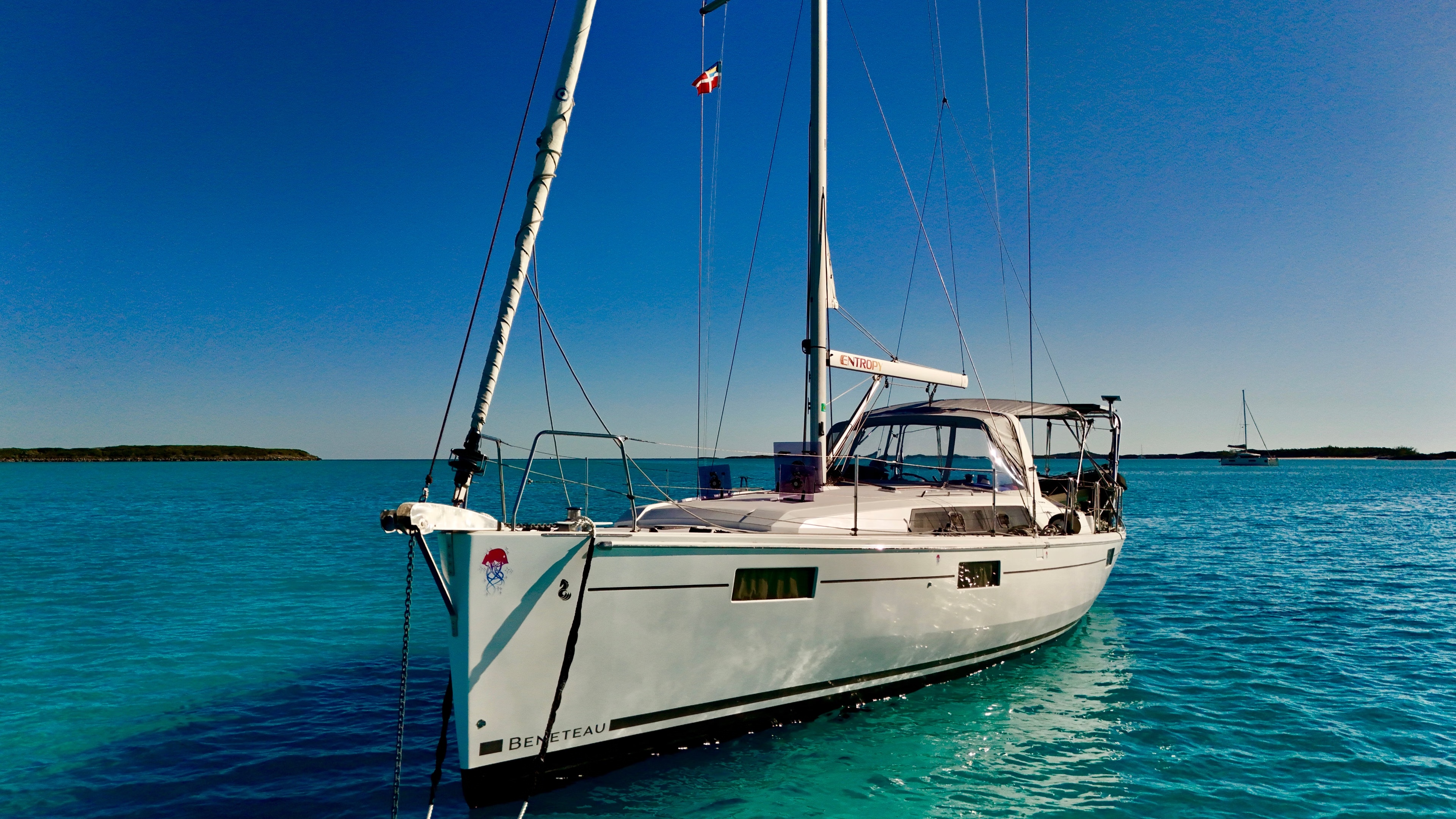
Pompano Beach, Florida

2025 Y Yachts Y9
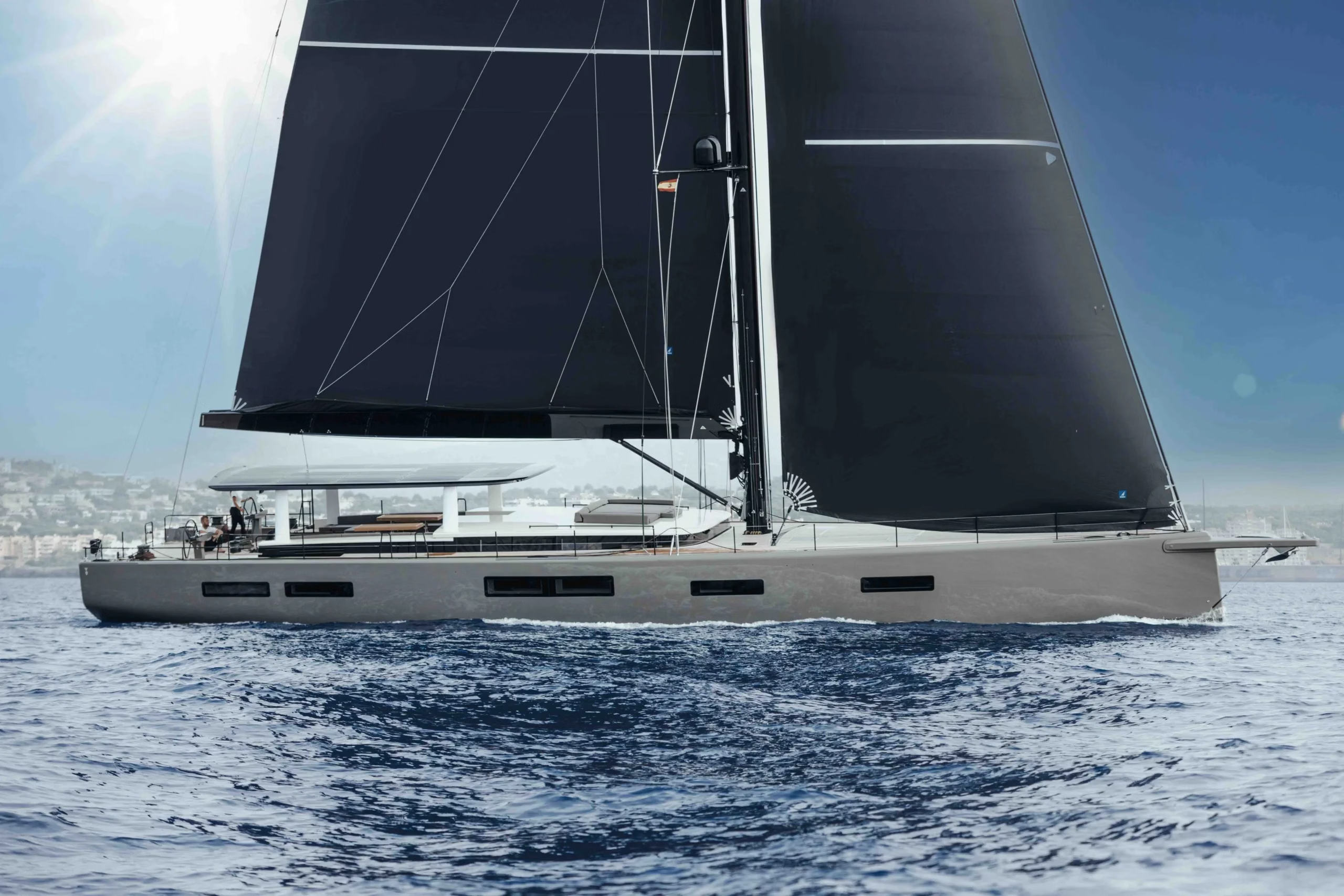
Amsterdam, NL

2026 Hanse 590
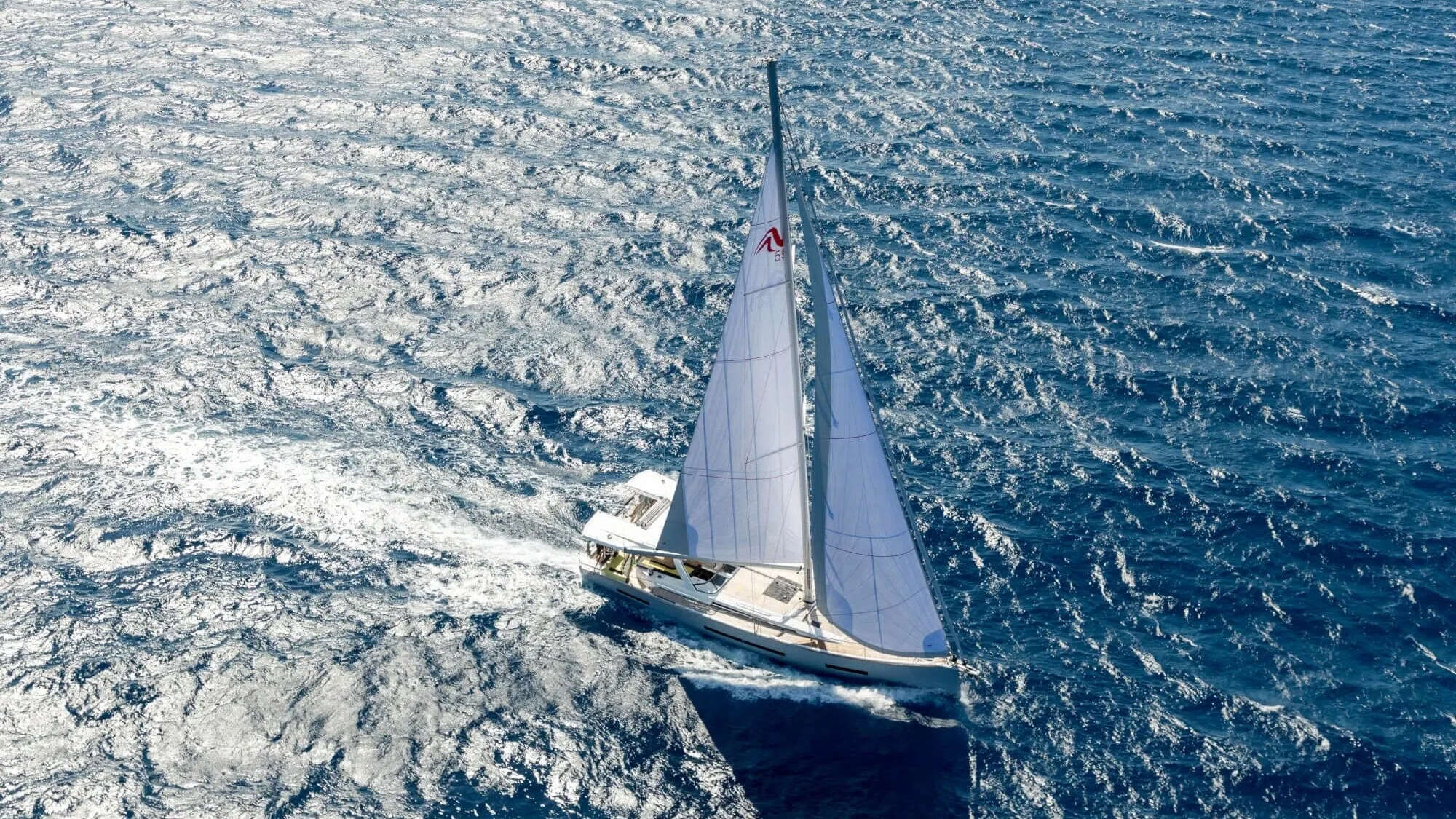
Newburyport, Massachusetts

1999 Royal Huisman Cutter Sloop "FOFTEIN"
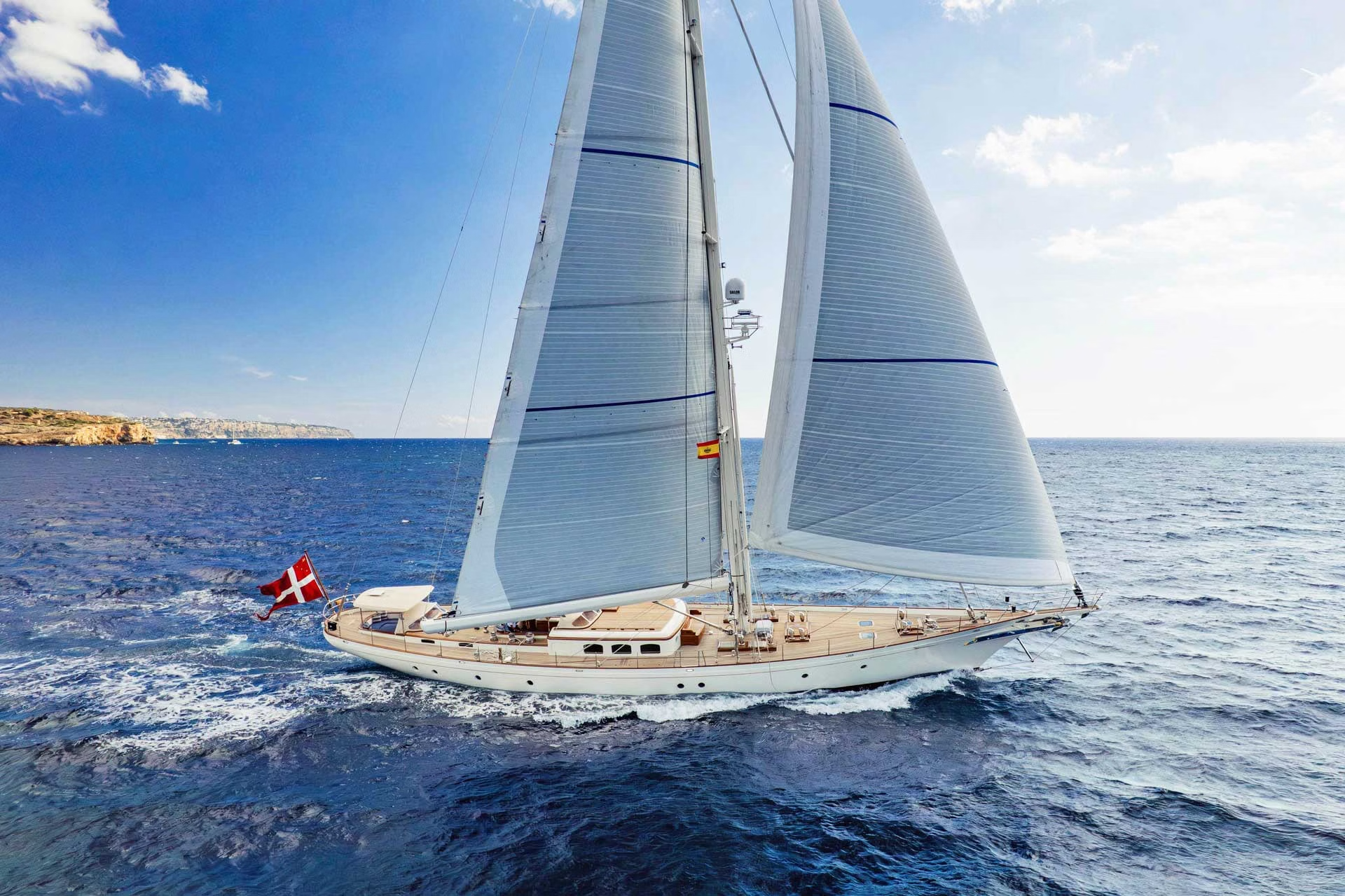
Balearic Islands, ES

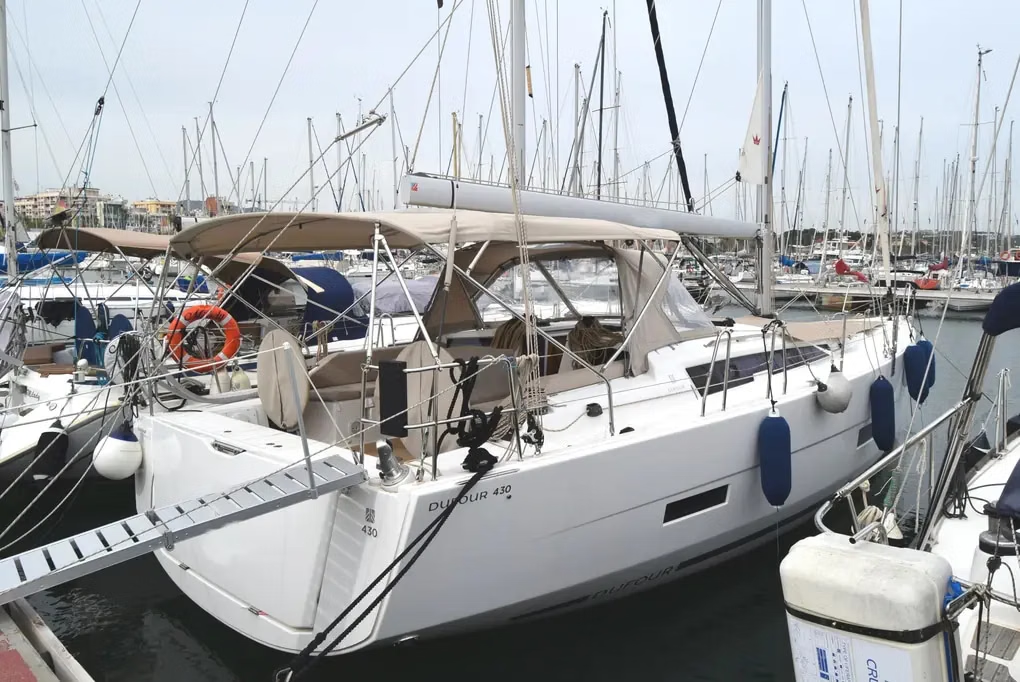
2019 Jeanneau 64 "CHIRI"
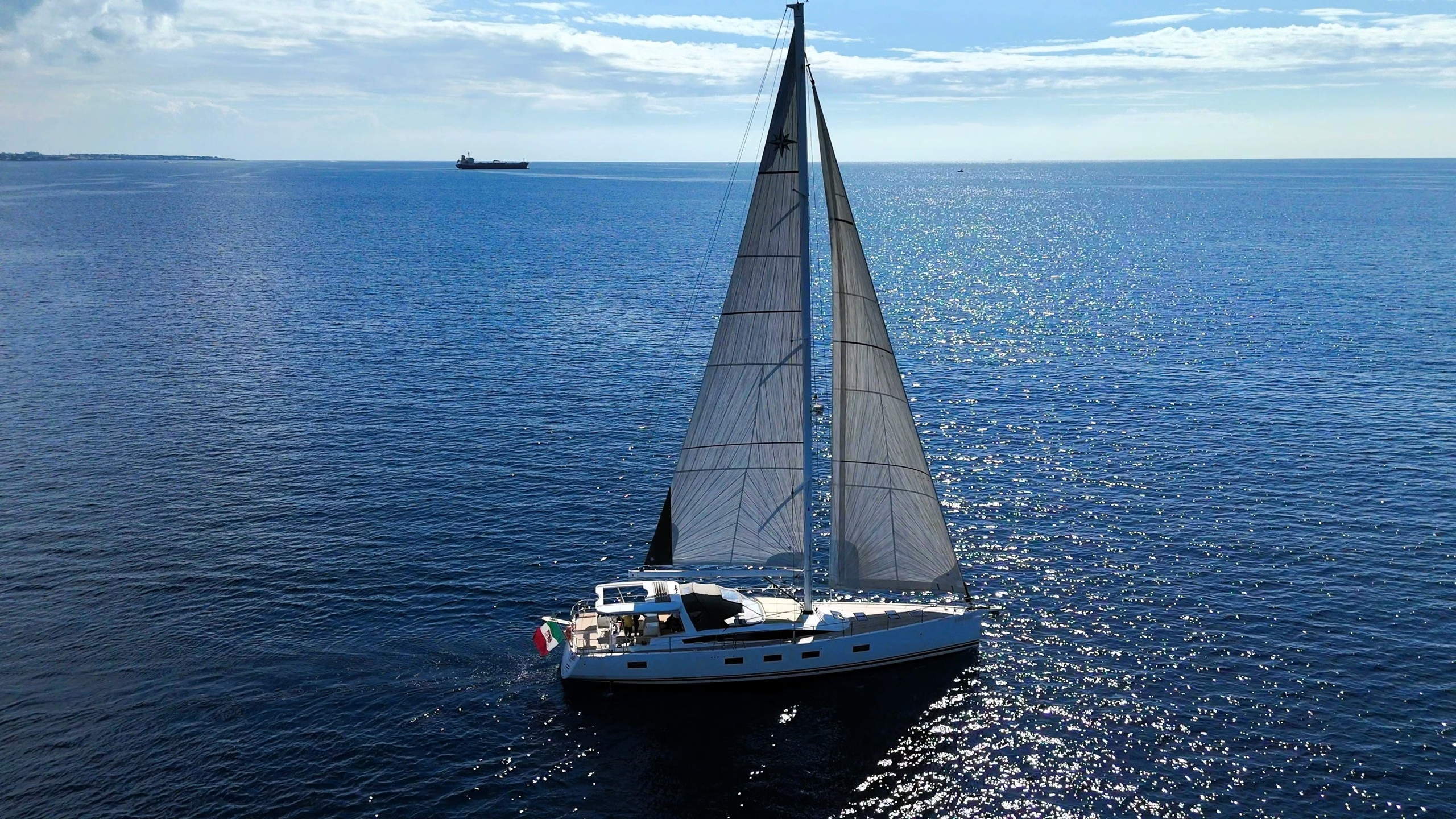
Civitavecchia, IT

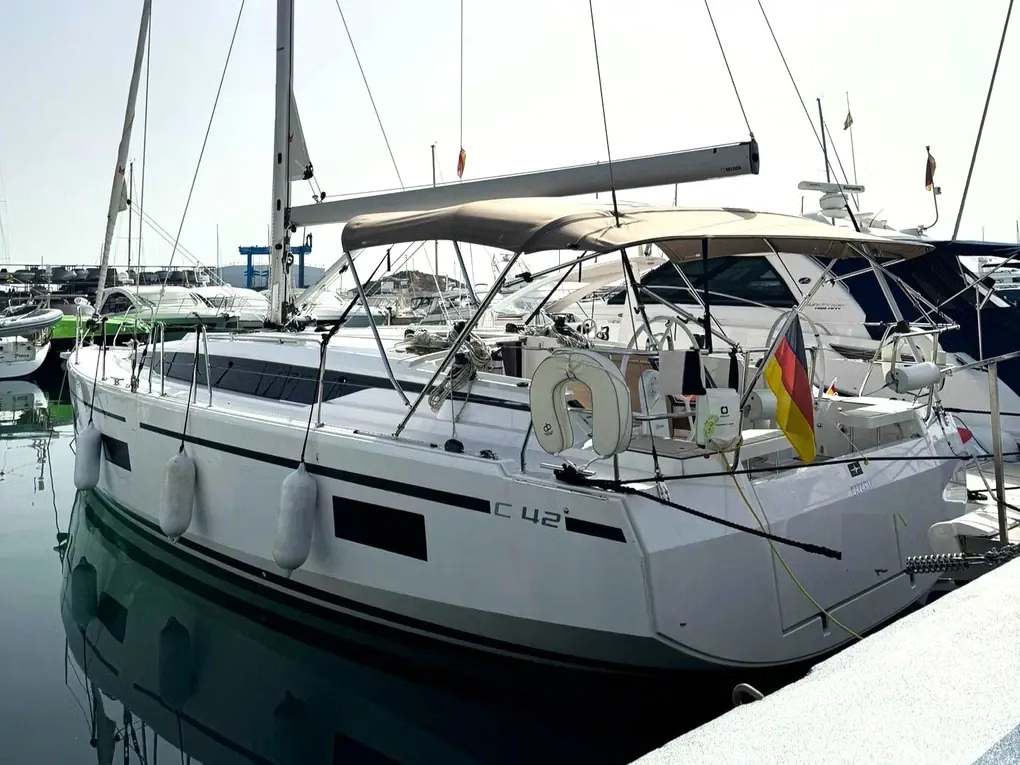
2022 Knysna 500SE "GILLI GIRL"
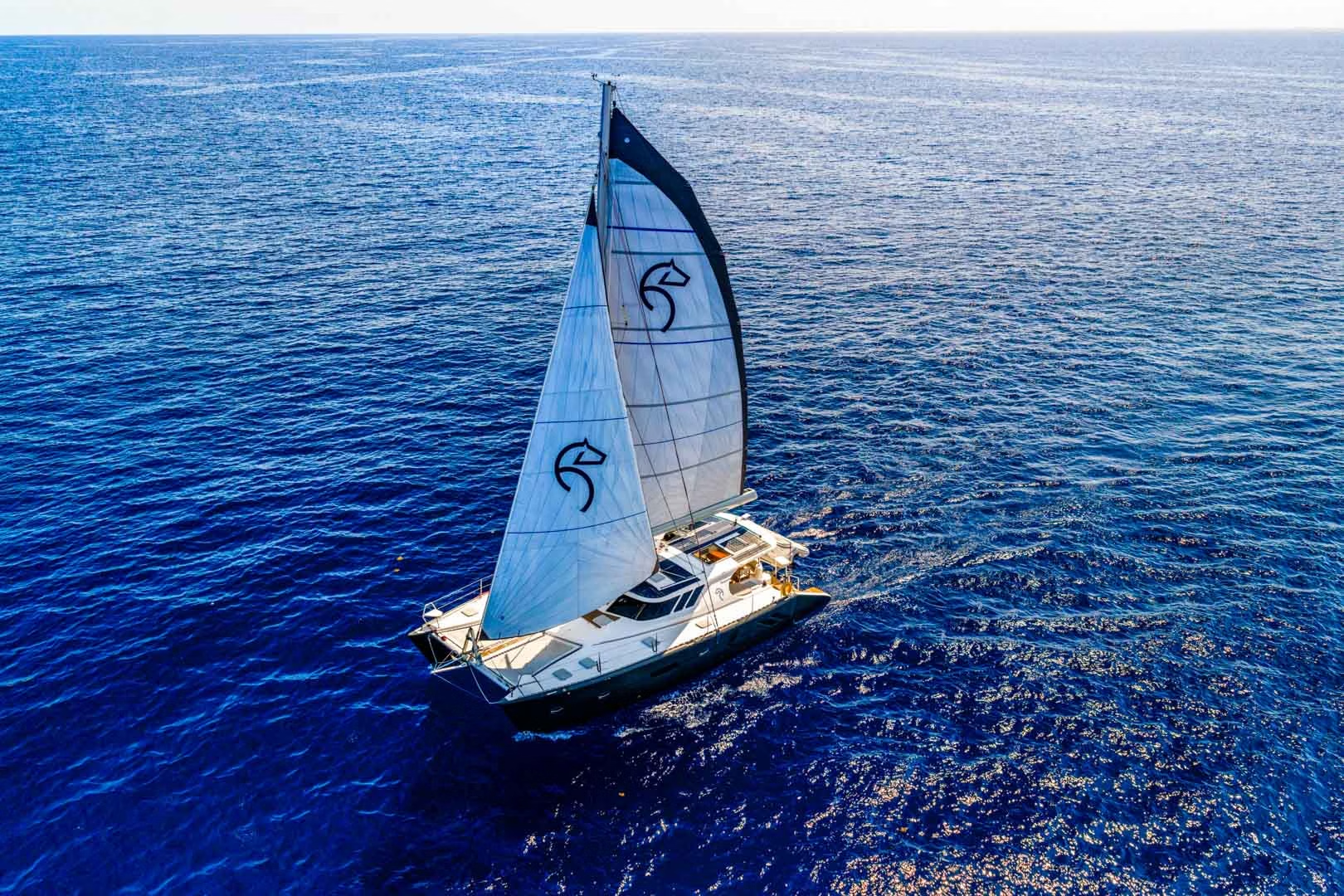
Annapolis, Maryland
2014 Leopard Catamarans 58 "VOYAGER II"
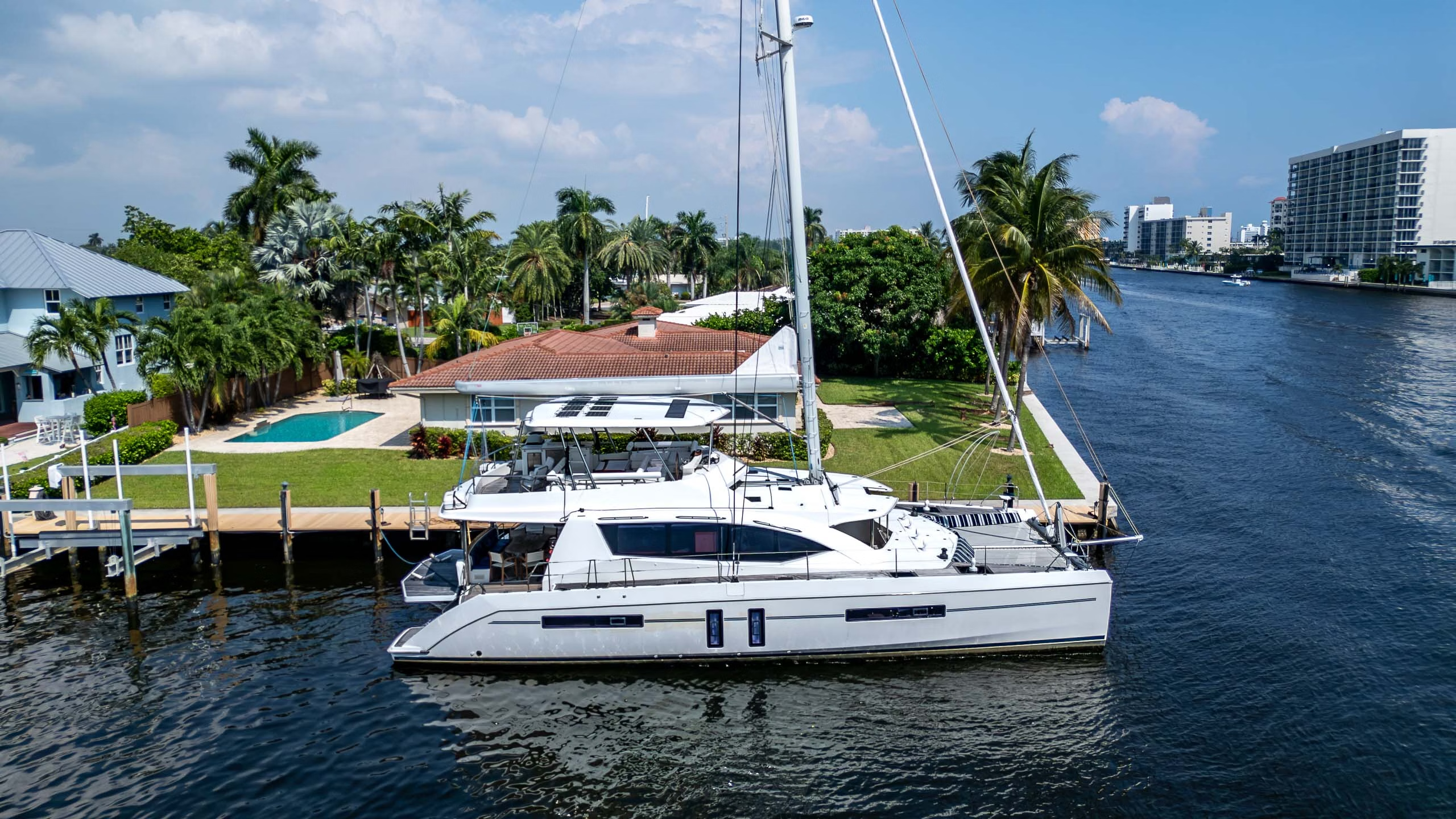
Pompano Beach, Florida
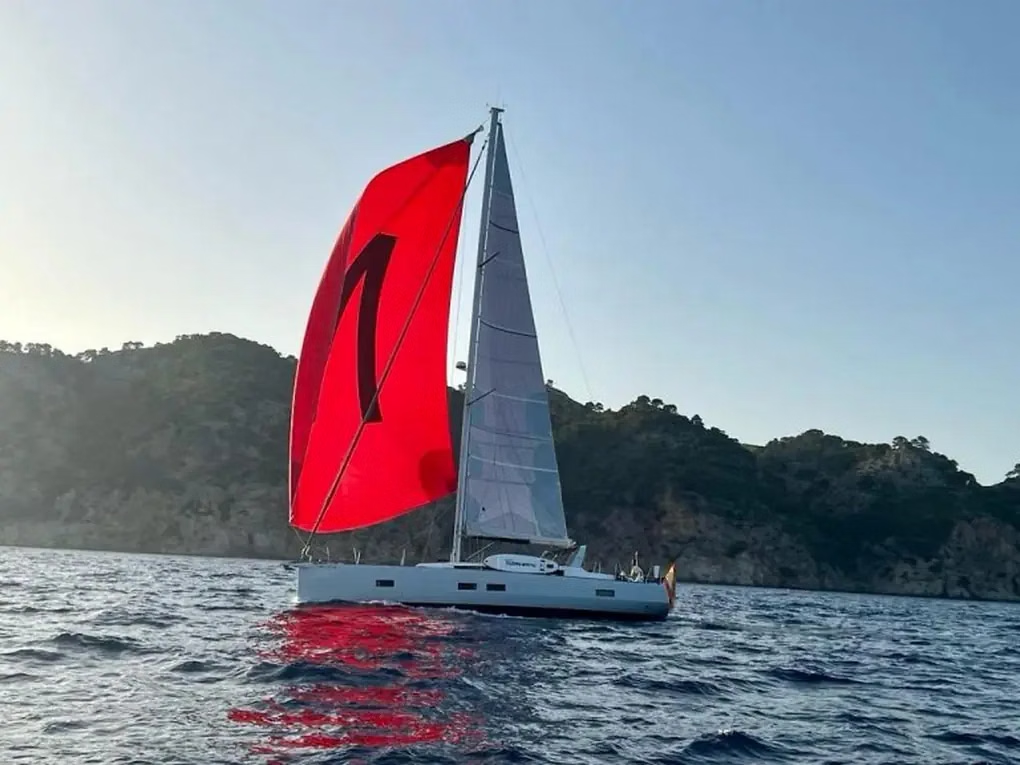
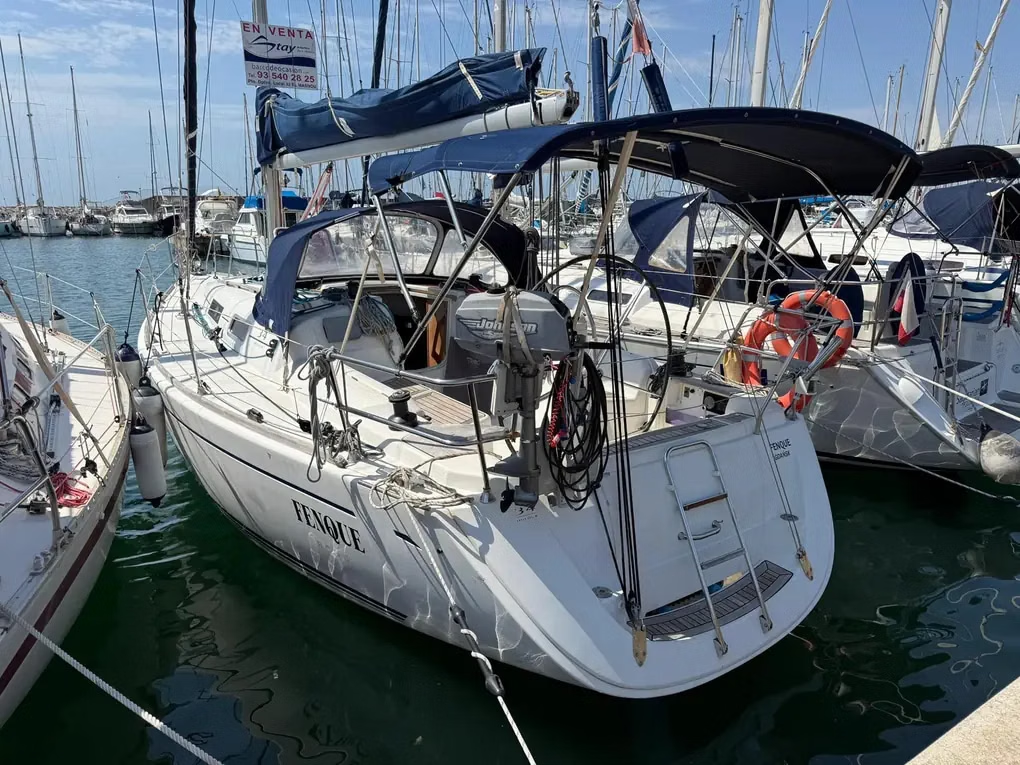
2025 Outremer 4X
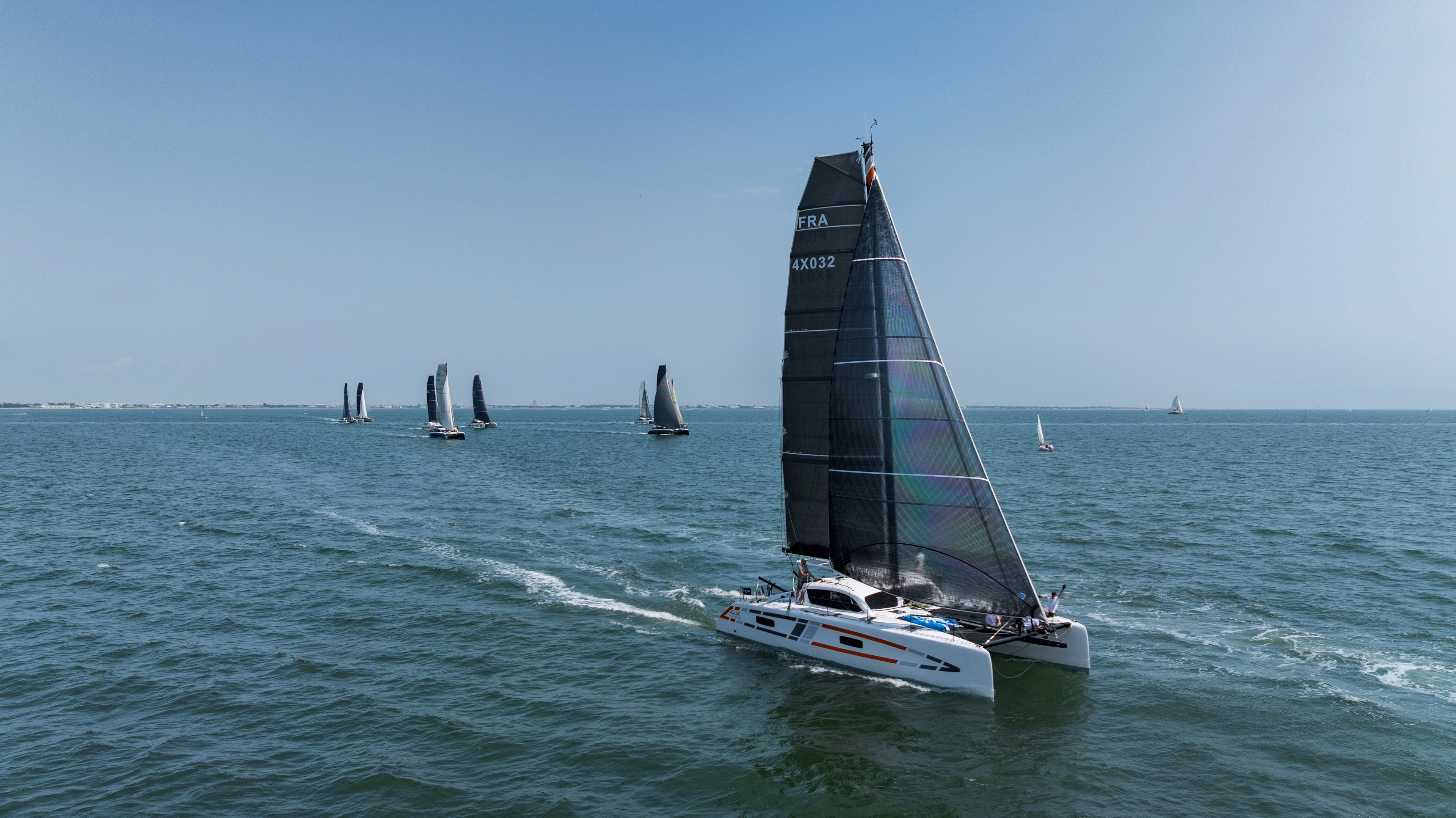
La Grande-Motte, FR

Page
of 28
What is a sailing yacht?
A sailing yacht is a privately owned vessel whose primary means of propulsion is wind power, captured through sails, masts, and rigging. Unlike a motorboat or powerboat, a sailing yacht is designed around the sail plan — hull shape, ballast, keel configuration, and deck layout are all determined by the requirements of sailing performance. Most sailing yachts also carry an auxiliary diesel or electric engine for use in harbours, in calm conditions, and for manoeuvring — but the engine is secondary to the rig.
The sailing yacht category spans an enormous range of vessels, from 28-foot coastal daysailers to 100-metre sailing superyachts. What they share is a fundamental orientation toward wind, passage-making, and a form of ownership that tends toward greater self-sufficiency and longer-range itineraries than the equivalent motor yacht at the same length.
Types of sailing yacht
Monohulls are the most common format: a single hull with a deep keel providing ballast and lateral resistance. Monohulls range from nimble performance sloops to heavy bluewater cruisers designed for ocean crossings, and represent the majority of the sailing market in both new and pre-owned inventory. Leading builders include Hanse, Bavaria, Beneteau, Jeanneau, Hallberg-Rassy, and Oyster.
Catamarans use two parallel hulls connected by a bridgedeck, providing exceptional interior volume, stability, and shallow draft relative to their overall length. The catamaran segment has grown significantly in recent years and now represents a major share of new sailing yacht sales, particularly in the 40–65-foot range used for charter, family cruising, and liveaboard life. Market leaders include Lagoon, Fountaine Pajot, Bali, Leopard, and Sunreef at the premium end.
Performance cruisers are built for a combination of offshore speed and liveaboard comfort — typically lighter than pure cruisers, with more aggressive sail plans and better light-air performance. Brands like Grand Soleil, X-Yachts, J/Boats, and Solaris occupy this segment. These vessels suit experienced sailors who want to cover distance quickly without sacrificing comfort.
Bluewater cruisers are specifically designed for extended offshore passages and ocean crossings — heavier construction, self-righting stability, fuel and water capacity for 2,000+ nautical miles, and systems redundancy that supports weeks at sea away from a marina. Hallberg-Rassy, Amel, Oyster, and Malo are the most respected names in this category.
Classic and vintage sailing yachts — traditional timber or early fibreglass vessels from the 1960s to 1990s — represent a distinct segment of the market, typically purchased for their design heritage and character rather than for offshore performance. Jongert, Abeking & Rasmussen, and German Frers designs appear frequently in this segment.
Sailing superyachts (24m+) are professionally crewed ocean-going vessels where the sail plan is engineered at the same level as the interior accommodation. Sunreef has become one of the most visible builders in this space, particularly with its electric and hybrid catamaran superyachts.
Sailing yacht prices: what to expect in 2026
Sailing yacht prices vary significantly by size, condition, builder, and outfitting. As a general guide for the current market:
Entry-level used monohulls (28–38 ft, pre-owned): $30,000–$150,000. Vessels from volume builders — Beneteau, Jeanneau, Hunter, Catalina — from the 2000s and 2010s. A practical starting point for first-time sailors or buyers assessing the liveaboard lifestyle before committing further.
Mid-range monohulls and catamarans (38–52 ft, new and used): $150,000–$750,000. The most active segment of the sailing market. New builds from Hanse, Bavaria, and Jeanneau sit in the $150,000–$350,000 range; catamarans from Lagoon and Fountaine Pajot typically start around $350,000–$500,000 for new models in this size band.
Premium bluewater and performance cruisers (45–65 ft): $500,000–$2,000,000. Oyster, Hallberg-Rassy, and comparable passage-making builders. These vessels are equipped and structured for offshore work and command a significant premium over production equivalents at the same length.
Luxury and sailing superyachts (65 ft+): $2,000,000–$20,000,000+. Custom and semi-custom builds from specialist yards, including Sunreef's electric catamaran range and high-performance monohull superyacht builders. Crew, refit, and running costs at this level are commensurate with the scale.
The annual cost of owning a sailing yacht — insurance, berthing, maintenance, antifouling, sails, and occasional equipment upgrades — typically runs between 10 and 15 percent of the vessel's market value per year for an owner-operated vessel in good condition.
Key questions to ask when buying a sailing yacht
Monohull or catamaran? Monohulls are better upwind, heel while sailing, and offer superior bluewater seakeeping in heavy conditions. Catamarans are more stable at anchor, offer far more interior living space, have shallower draft, and are generally preferred for liveaboard use and tropical cruising. The choice depends primarily on your intended sailing grounds and how you plan to use the vessel day-to-day.
Coastal or offshore? A coastal cruiser designed for weekend sailing and protected anchorages is a fundamentally different vessel from a bluewater passage-maker. Draft, stability range, watermaker capacity, fuel range, rig robustness, and liferaft and safety equipment should all be evaluated against your actual intended use — not the most aspirational version of it.
New or used? New builds from major builders offer warranty, modern electronics, and the ability to configure the vessel to your specification. Pre-owned sailing yachts frequently offer better value per foot, particularly in the 10–15-year-old range from quality builders, where the original depreciation has been absorbed and the vessel has been proven. A thorough pre-purchase survey is essential for any used purchase.
What to check before buying used: Commission a pre-purchase survey from an accredited marine surveyor holding credentials from NAMSGlobal (CMS designation) or SAMS (AMS designation). For US-documented vessels, run a title search through the USCG National Vessel Documentation Center to verify ownership and check for any recorded liens. Arrange a sea trial that includes sailing under canvas — not just motoring in and out of the marina.
For a full guide to evaluating any listing before you engage a broker, see How to Evaluate a Yacht Listing: What Verified Actually Means.
Popular sailing yacht brands on YachtWay
YachtWay carries verified listings from authorised dealers and brokers for sailing yachts from the world's leading builders:
Hanse · Bavaria · Beneteau · Jeanneau · Lagoon · Sunreef · Oyster · Hallberg-Rassy · Grand Soleil
Frequently asked questions about sailing yachts
What size sailing yacht do I need for bluewater cruising? Most bluewater cruisers operate vessels between 38 and 55 feet — small enough to be managed by a couple with occasional crew, large enough to carry the fuel, water, provisions, and spare parts required for extended offshore passages. Under 35 feet becomes limiting for comfort on long passages; above 60 feet requires professional crew for most owners. The 42–50-foot range is where the majority of circumnavigations and transoceanic crossings are completed.
What is the difference between a sloop and a ketch? A sloop has a single mast and a two-sail rig — mainsail and headsail. It is the most common rig on modern production yachts and the most efficient for upwind sailing. A ketch has two masts — a main and a shorter mizzen mast aft of the cockpit — which allows the sail area to be divided into smaller, more manageable panels. Ketches are favoured by short-handed offshore cruisers who prefer not to handle a very large mainsail in heavy weather. A yawl is similar to a ketch but with the mizzen stepped aft of the rudderpost.
Can I sail a 40-foot yacht single-handed? Yes, with appropriate preparation. Modern roller furling headsails, self-tailing winches, electric windlasses, autopilots, and AIS have made short-handed offshore sailing considerably more accessible than it was two decades ago. Most experienced sailors can manage a well-set-up 40–45-foot yacht alone, though a 35–40-foot vessel is generally considered the practical single-handed comfort zone for long passages.
How much does it cost to maintain a sailing yacht? Budget 10–15% of the vessel's market value per year for a sailing yacht in regular use. This covers marina fees or mooring, antifouling and haul-out, engine servicing, rigging inspection, sail repairs, and routine equipment replacement. Sail replacement — typically every 8–12 years for a cruising sail wardrobe — is a significant one-time cost ($15,000–$60,000+ depending on sail area) that should be factored into any purchase budget.
Can I finance a sailing yacht purchase? Yes. Marine financing is available through specialist lenders with terms typically ranging from 10 to 20 years, requiring 10–20% down payment. YachtWay's EasyFund tool allows buyers to get pre-qualified for financing directly within the platform without affecting your credit score.
What insurance do I need for a sailing yacht? A comprehensive yacht insurance policy should cover hull and machinery, third-party liability, personal effects, and salvage. For bluewater cruising, check that your policy covers your intended sailing area — many standard policies restrict coverage to coastal waters within a defined radius. YachtWay's MasterCover provides instant marine insurance estimates from A-rated underwriters directly within the platform.
Browse sailing yachts by type
Sailing Catamarans for Sale · Monohull for Sale ·
Also browse motor yachts for sale, superyachts for sale, and mini yachts for sale on YachtWay. For guidance on the buying process, visit the YachtWay Knowledge Center.