Venice Boat Show 2026: A Tour of Boats, Innovations, and More

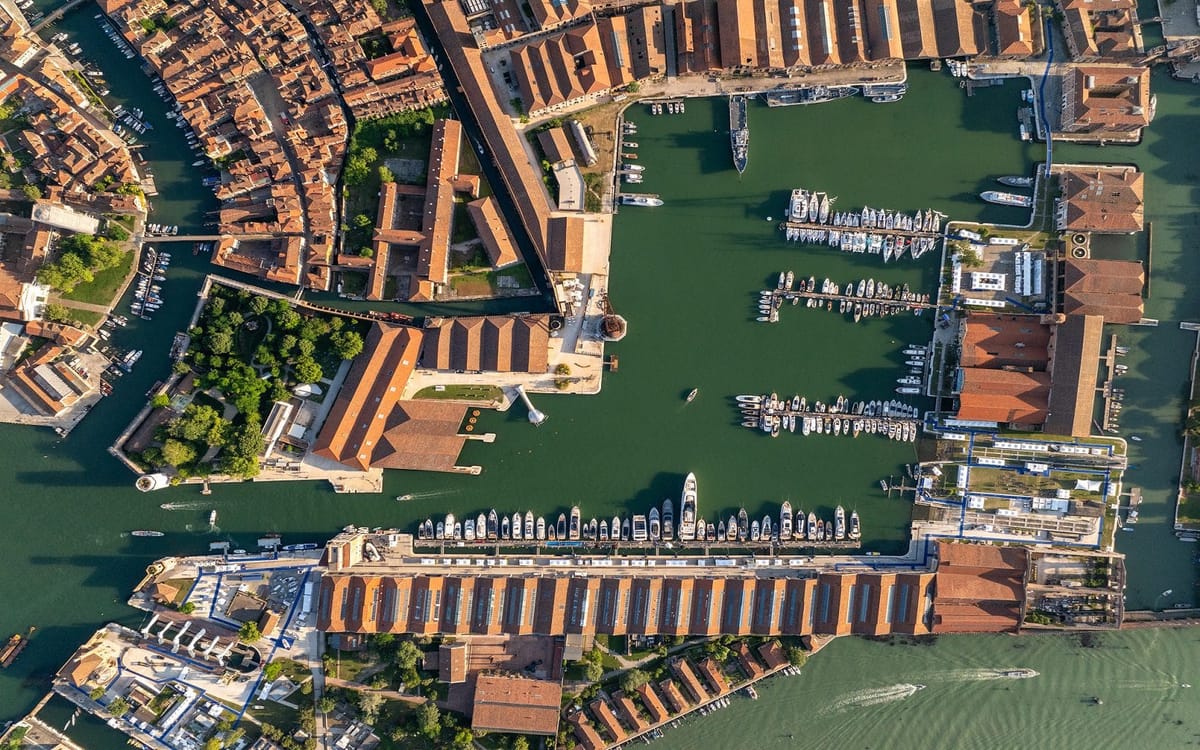
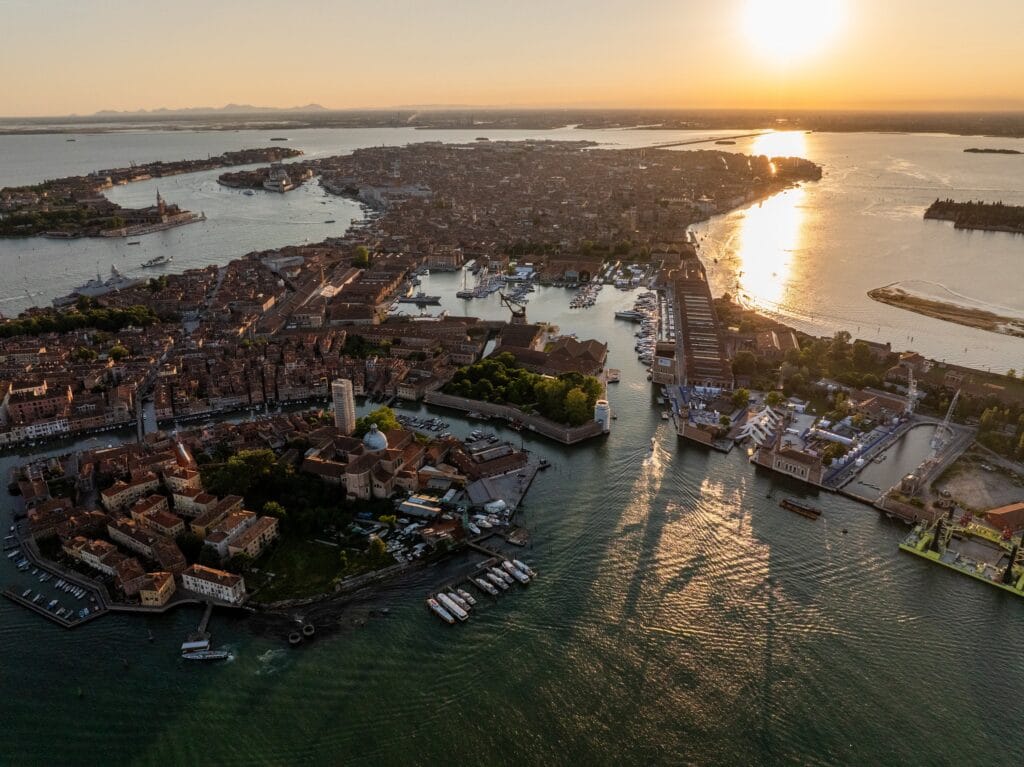
The Arsenale of Venice has housed warships, merchant galleys, and the industrial ambition of a republic that once controlled the Mediterranean. From May 27 to 31, it plays host to something that would have been entirely familiar to its original architects: the serious business of building, buying, and debating the future of vessels.
The seventh edition of the Salone Nautico Venezia, organised by Vela Spa on behalf of the Municipality of Venice, in collaboration with the Italian Navy, returns for five days across one of the most distinctive exhibition environments in the world. Over 270 exhibitors, more than 300 vessels, and a water basin spanning 55,000 square metres that allows buyers to move from compact day cruisers to 50-metre superyachts within a single afternoon's walk.
A Fleet That Reflects the Market
The 2026 lineup is both intentional and broad. Around 240 vessels will be in the water across more than a kilometre of dock space: a scale that compresses what might otherwise require three separate show visits into a single, navigable programme.
Flagship appearances include the Ferretti 670, the Pershing GTX70, and the 50-metre Sanlorenzo Almax: one of the show's largest vessels and a meaningful statement about the direction the Italian yard is taking toward sustainable construction at scale. High-performance builds are represented by the AB80 and AB95 from AB Yachts, while the Beneteau Gran Turismo 50 and Invictus ST550 address the performance cruiser segment with Italian and international appeal.
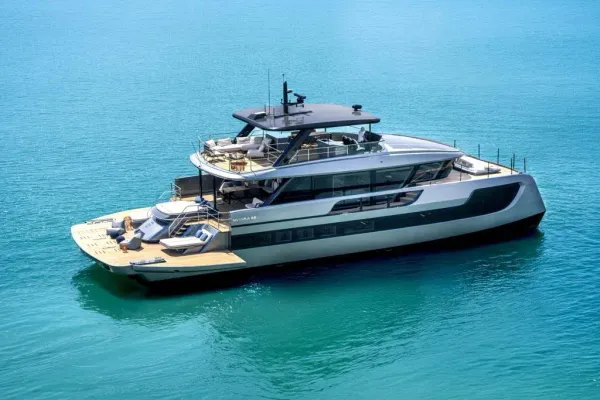
Catamaran demand continues to assert itself throughout the fleet. The Sunreef 70 and the Calita catamaran from Biondi Yacht represent a segment that has moved decisively from niche to mainstream in the European market. Sailing is well anchored by Fountaine Pajot, Lagoon, Jeanneau, Bavaria, Grand Soleil, Solaris, and the flagship Jeanneau 65.
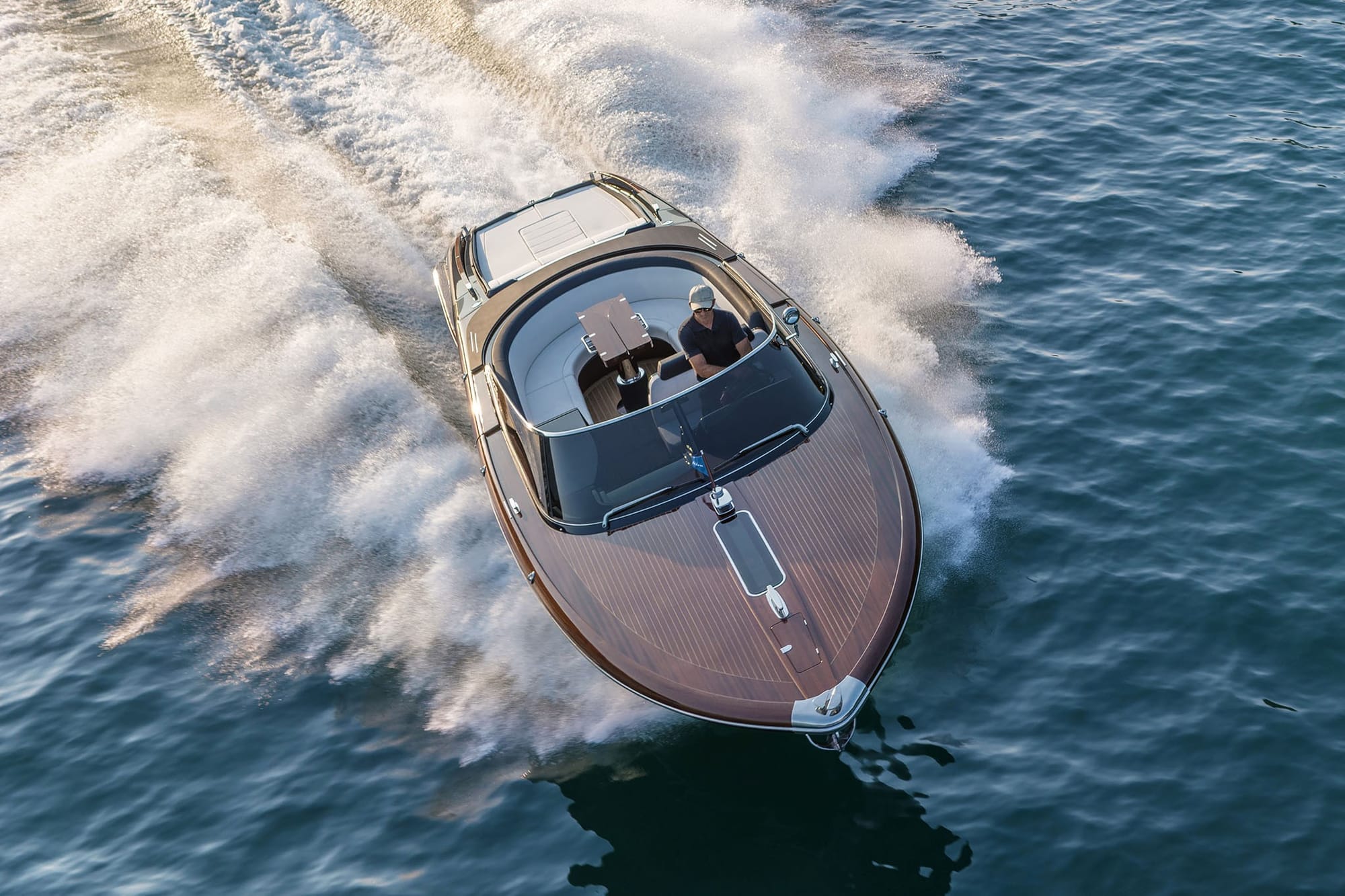
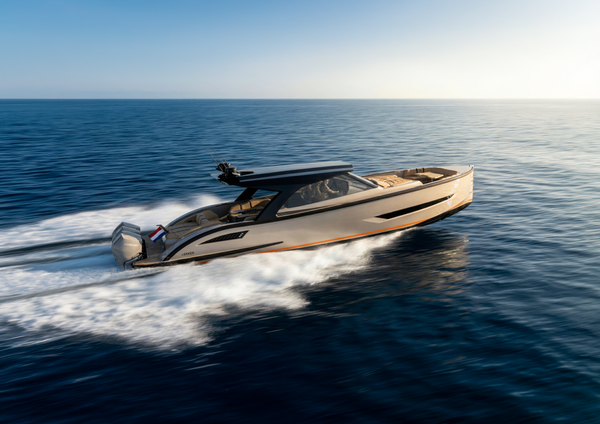
World premieres and first-time debuts, including the Say Carbon 32 and the Greenline 42, reinforce the show's growing role as a genuine launch platform rather than a secondary exhibition calendar. The Riva Aquariva Special and the wallypower58 dayboat round out a lineup that balances heritage with forward intent.
Sustainability as Architecture, Not Decoration
What has consistently separated Venice from many comparable shows is its treatment of sustainability as a structural feature of the event rather than a branded pavilion bolted on for optics. In 2026, that commitment deepens.
The E-Village, which is dedicated entirely to electric propulsion, hydrofoils, hydrogen solutions, and autonomous vessel technology, is not positioned as a side exhibit. It is a working demonstration zone where vessels participate in the E-Regatta, which opens with a parade along the Canal Grande. The regatta is not ceremonial: it is a live showcase of how far electric performance has come and, importantly, how far it still needs to travel.
Indoor exhibition areas extend that conversation further, presenting hybrid and hydrogen propulsion systems, advanced marine electronics, and new materials designed to reduce both fuel consumption and the use of resource-intensive finishes like teak. The industry is being asked to account for what it builds and how... and the Venice show is one of the few venues where that conversation happens at scale, in public, with serious participants on all sides.
The Sanlorenzo Almax carries particular significance in this context. A 50-metre vessel making its debut at a show whose central theme is the transition toward sustainable yachting is a deliberate statement about where the segment's largest builders see the market heading.
It's More Than a Boat Show
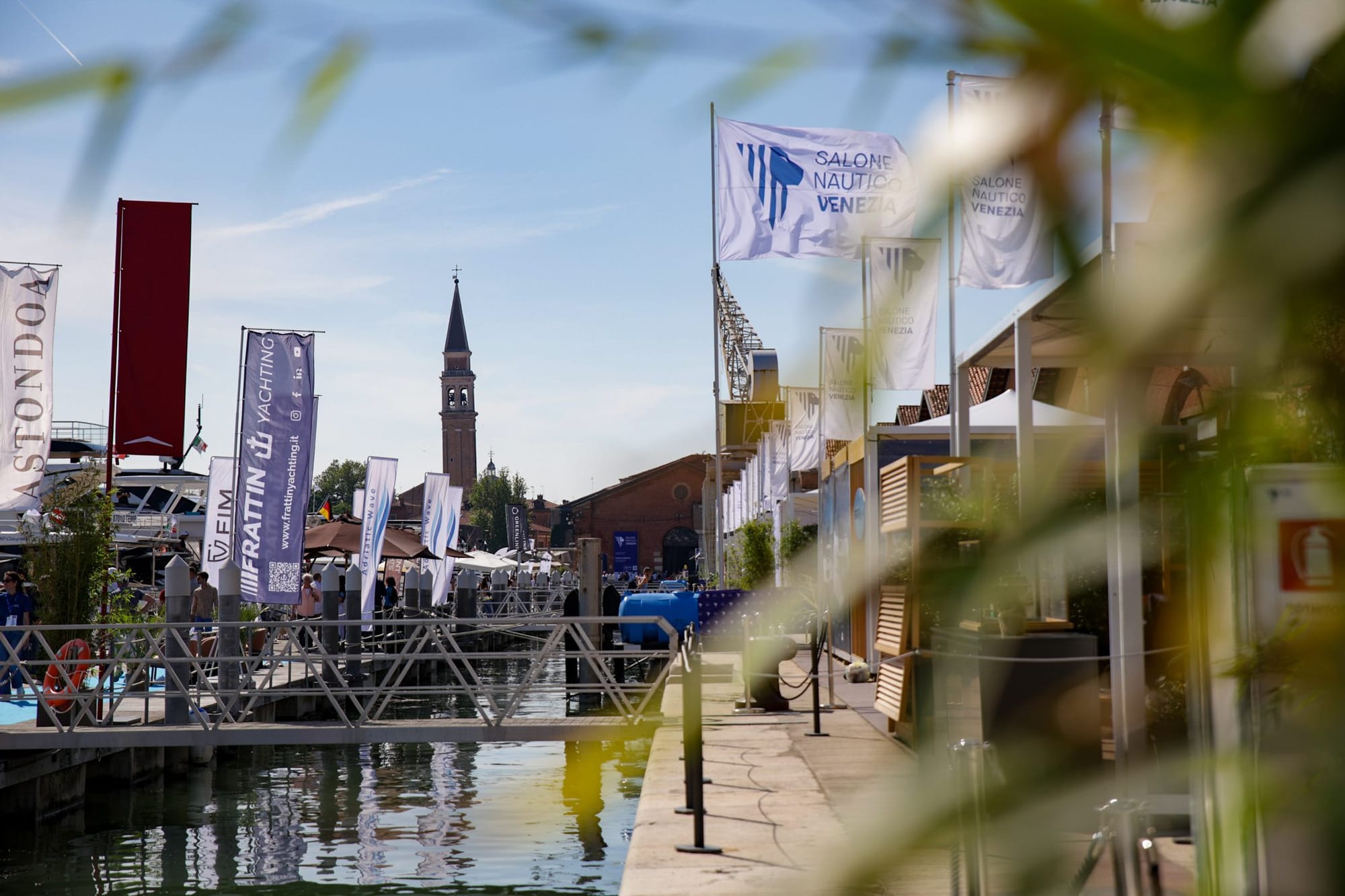
The Venice Boat Show operates as a full industry platform, not a static exhibition. Approximately 50 conferences, B2B meetings, and thematic debates run across the five days: covering topics from marine technology and maritime regulation to market trends and the practical realities of transitioning existing fleets to alternative propulsion.
The Wood Village remains one of the show's more distinctive features: an area dedicated to traditional Venetian and Italian shipbuilding craftsmanship, this year enriched by over twenty vessels from historic lagoon and national shipyards. In a show oriented toward the future, it functions as a useful anchor; a reminder that the boat-building cultures that produced the Arsenale's original workforce are still producing vessels of genuine quality, and that the appeal of traditional construction is not simply nostalgic.
Sea trials run throughout the event, allowing buyers to move from an in-water static inspection to an underway evaluation within the same visit.
Venice as Strategic Geography
The Mayor of Venice has articulated the show's geographic ambition explicitly: to become the gravitational centre for maritime activity across the Adriatic, Ionian, and Central-Eastern European regions: the water gateway between the West and East of the Mediterranean that Venice's original trade routes described. That framing is not merely rhetorical. The show draws buyers, shipyards, and operators from the Balkans, Middle East, and Asia in proportions that distinguish it from shows with primarily domestic or Western European audiences. Its participation in Expo 2025 Osaka extended that eastward orientation further.
With over 30,000 visitors expected and funding already secured for the eighth edition, Venice is not positioning itself as a seasonal alternative to Cannes or Düsseldorf. It is positioning itself as the show that serves a different market... and increasingly, that market is paying attention.
YachtWay covers significant developments across the global yacht market. Explore vessels from brands appearing at Venice: including Ferretti, Sanlorenzo, Sunreef, and Jeanneau — from verified dealers and brokers worldwide.